• home
  • Bio
  • Core Values
  • News Articles
  • Testimonials
  • Blog
  • Impaired Driving
  • Immediate Roadside Prohibition
  • Domestic Assault
  • Drug Charges
  • Bail Hearing
  • Legal Aid
  • FAQs
  • Steinbach
  • Contact
Menu

Michael Dyck | Criminal Law

Rees Dyck Rogala
Law Offices
(204) 318-6116

Michael Dyck | Criminal Law

  • home
  • about
    • Bio
    • Core Values
    • News Articles
    • Testimonials
  • Blog
  • info
    • Impaired Driving
    • Immediate Roadside Prohibition
    • Domestic Assault
    • Drug Charges
    • Bail Hearing
    • Legal Aid
    • FAQs
  • Steinbach
  • Contact

What should you NOT do during a traffic stop?

December 1, 2020 Michael Dyck
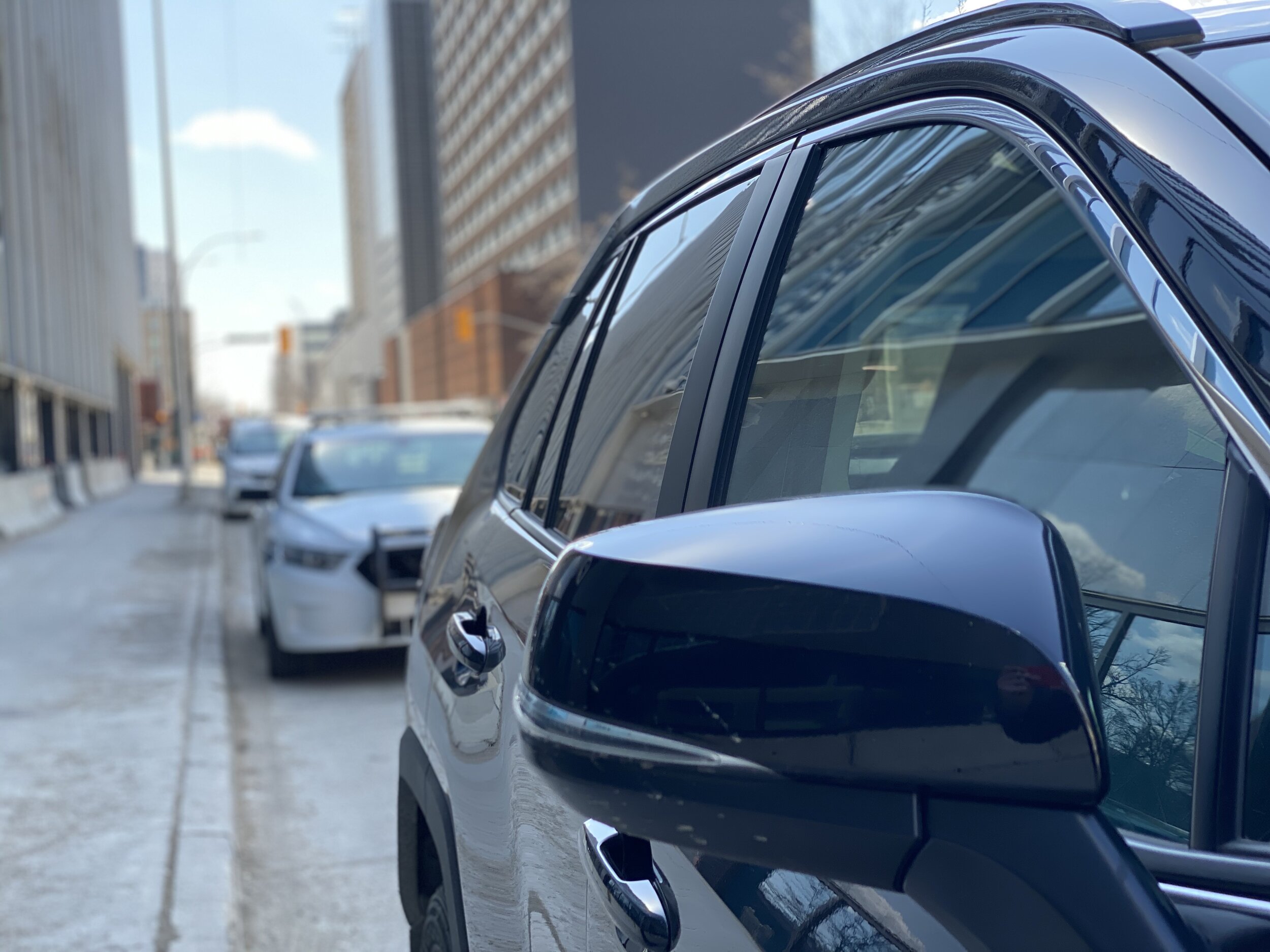
Michael Dyck traffic stop pulled over 1

What can cops do during a traffic stop?

What am I legally required to do during a traffic stop?

What can an officer do during a traffic stop?

What to say if a cop pulls you over?

What is the police procedure for a traffic stop?

I’m sure these are the types of questions that cross your mind if you’re driving and see a police car is immediately behind you with the lights or siren on. Sometimes you know why the officer is stopping you and sometimes you don’t. In any event, it is helpful for you to know what you can do to both protect yourself and make the process as smooth as possible for everyone.

To get you the best information, most of the tips in this post are from a Winnipeg Police Service officer and a Manitoba RCMP officer. Finally, some of the information is from me, a criminal defence lawyer, so you can also takes steps to protect yourself when you’re pulled over. The information in this post is going to be referring to Manitoba’s Highway Traffic Act. The provincial laws may be different for you, but I think most of the tips here are helpful for all Canadians.
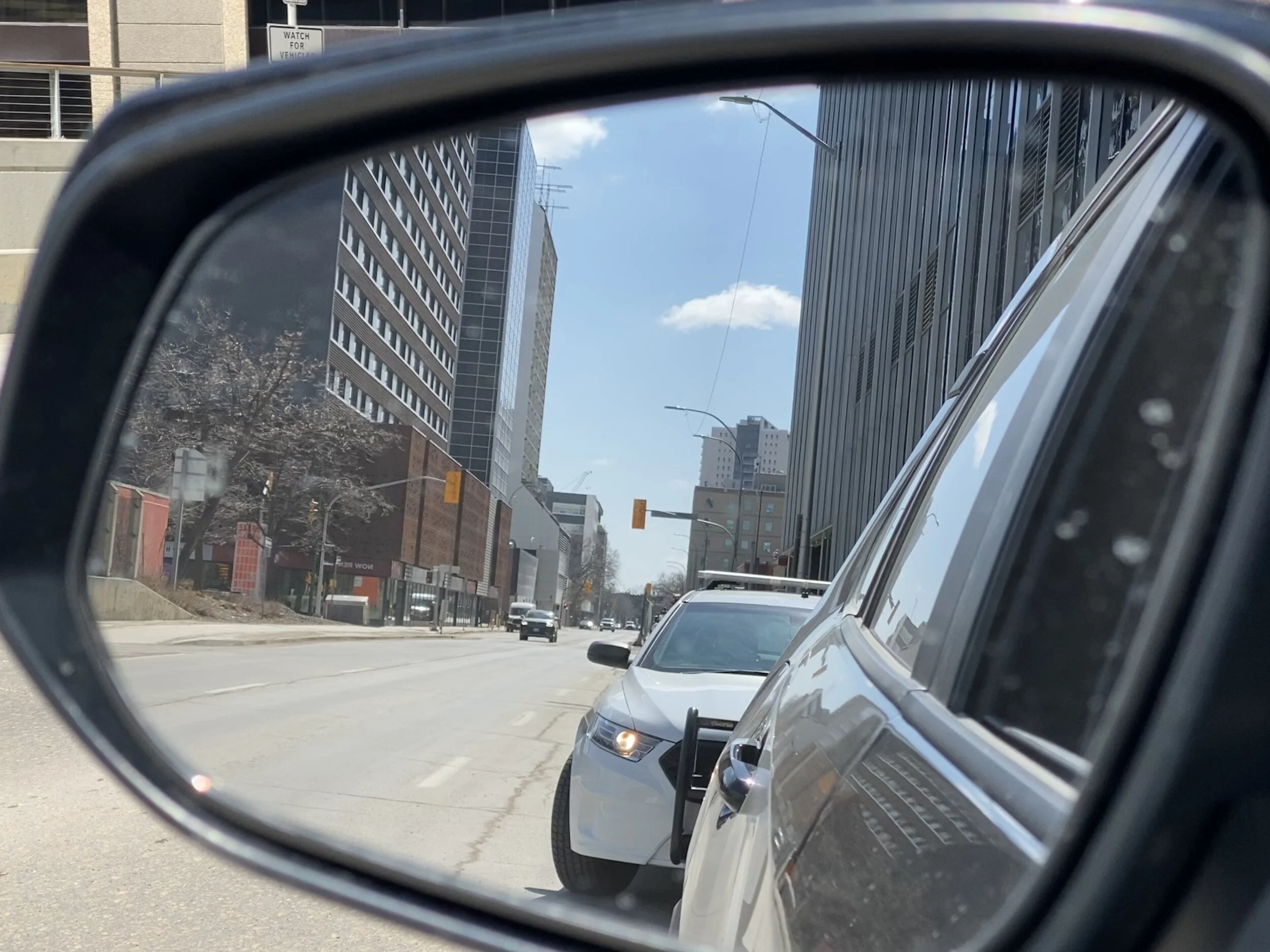
Michael Dyck traffic stop pulled over 2

When

is an officer allowed to pull you over?

There are three main scenarios where an officer can initiate a traffic stop or pull you over:

  1. The officer observes you committing a crime that is in the Criminal Code of Canada, like you are driving a stolen vehicle,

  2. The officer observes you committing an offence that is in a provincial regulation, like using a cell phone while driving, or

  3. If you are doing absolutely nothing wrong, but the officer wants to check to see if you have a valid driver’s licence, confirm the vehicle is properly registered, determine your sobriety, or inspect the vehicle to make sure it is safe.

So, even if you are driving perfectly fine, an officer is allowed to initiate a traffic stop to check if you have a valid licence or not. Many police cars have automatic licence plate scanners that can notify the officer if a vehicle is stolen, unregistered, and who the registered owner is. If the owner is female but there is a male driver, the officer may pull the car over to make sure the driver has permission to drive that vehicle.
Michael Dyck traffic stop pulled over 3

How

are you supposed to pull over?

The Manitoba Highway Traffic Act s. 76.1(1) says that when an officer is attempting to pull you over, you:

shall immediately come to a safe stop and remain stopped until permitted by the peace officer to depart.

The Criminal Code s. 320.17 says:

Everyone commits an offence who operates a motor vehicle or vessel while being pursued by a peace officer and who fails, without reasonable excuse, to stop the motor vehicle or vessel as soon as is reasonable in the circumstances.

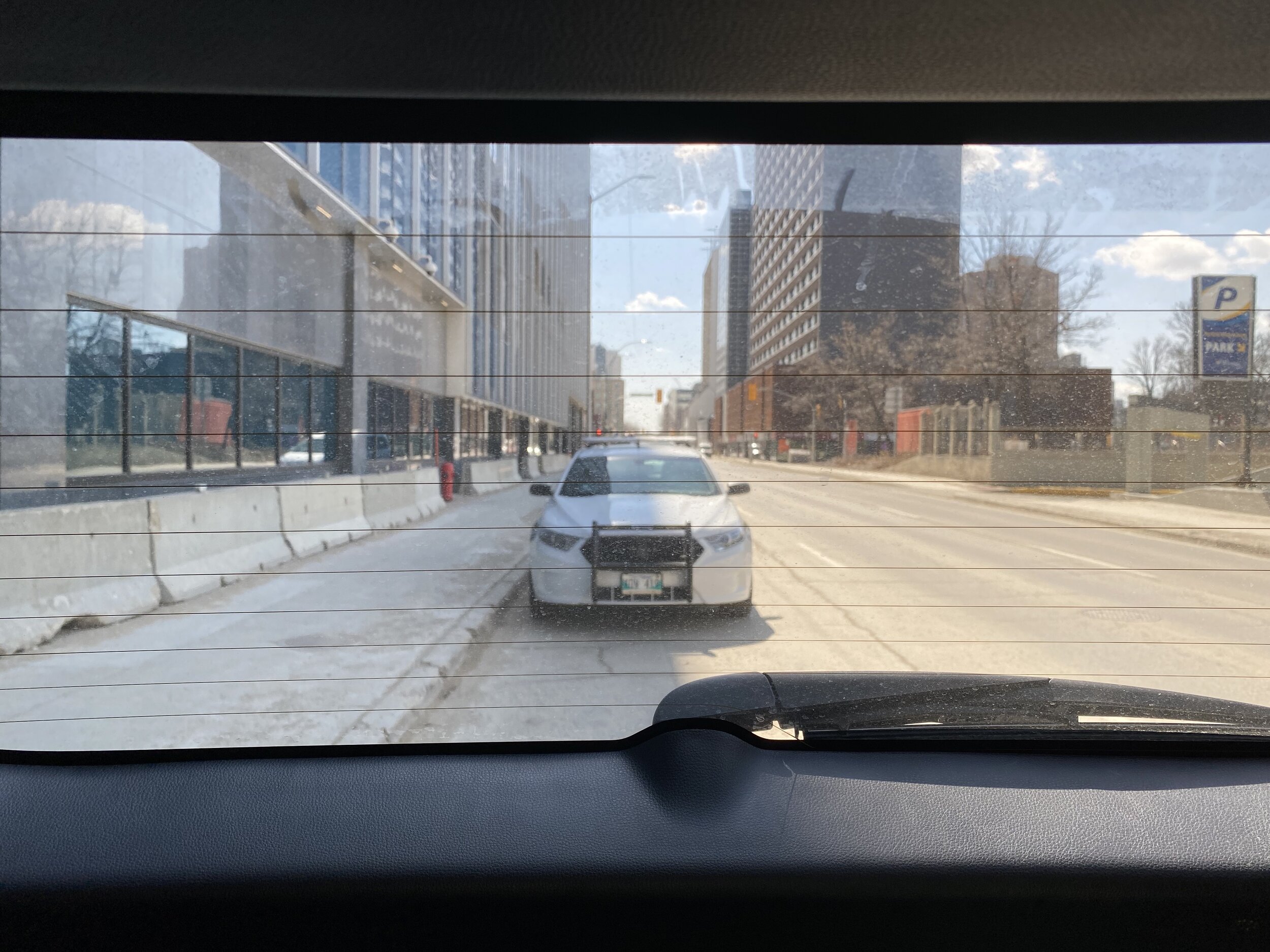
You don’t have to be a legal scholar to understand that once an officer is trying to pull you over, you need to stop right away. This doesn’t mean that you slam your brakes to the floor and veer right without looking. You still need to pull over safely. If you can, pull over to the right and stop within a few seconds. It is more important to stop quickly than it is to stop in an ideal spot.

If you are on a multilane highway, do not stop in one of the passing lanes. Signal and turn into the furthest right lane and then come to a stop on the shoulder or side of the road. You want to drive your vehicle over to the right side of the roadway and as far off the roadway as possible so that you are out of the way of other traffic and can reduce the chances of being struck by another vehicle.

If you're in the median lane and there is grid lock, you can wait for the next exit, turn left on to a side street, and then pull over where it is less busy. If there is a parking lot immediately nearby and that looks like the best option, then head there. Basically, if you see a good spot, then you can head there, but do not continue driving just to look for a good spot to pull over.

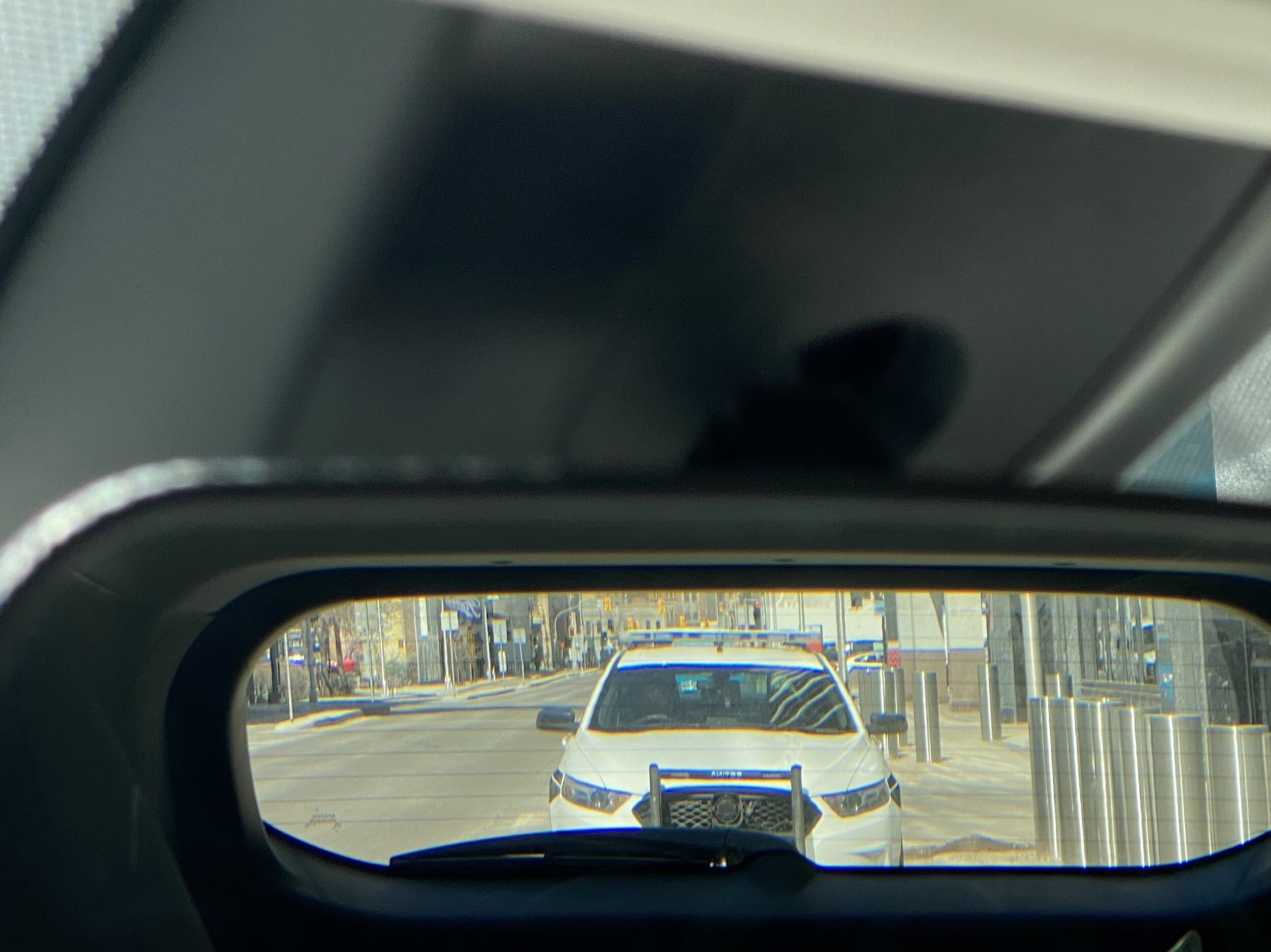
In the rare case that there isn't a safe spot to pull over and you have to briefly keep driving, then drive slowly and turn on your 4-way flashers. This will signal the officer that you understand you're being pulled over. In those cases, the officer is performing a continuous risk assessment and will be gauging the driver’s behaviour to interpret their intentions. If you pull over to the right hand side and continue driving slowly, then it can indicate to the police officer that there is no intent to flee, which changes the officer’s risk assessment of the situation and the response.

If there is a perfectly good spot to pull over and you pass by it, the officer may think you're not going to stop at all and it likely the officer will escalated his/her response by calling for back up or maybe even the police helicopter. If it takes too long for the driver to pull over, the police may think that an escape plan is being formulated. Normally, it should be less than 30 seconds between when the officer activates the emergency lights or siren and when your vehicle comes to a stop.
Michael Dyck traffic stop pulled over 4

What

should you do right after you stop?

Put the vehicle in park. Turn off the radio or any music that is playing. Leave the vehicle running if you’d prefer that, but you should obviously turn it off if the officer tells you to. Stay in your vehicle unless instructed by the officer. Keep your seat belt on.

Wait as the officer completes some computer checks (vehicle not stolen, valid registration, no warrant for registered owner) before approaching your vehicle. Do not start searching through your vehicle for licence/registration (but know where to find them in the vehicle) because too much movement by a driver may change the officer’s risk assessment. If you don’t have your physical driver’s licence card or registration paperwork in the vehicle, you can tell the officer and they can verify if your licence and registration are active in the computer. The officer can still issue you a ticket for not having the documents with you, so be prepared for that and try to be courteous.

Roll down your window as the officer approaches your vehicle. Do not have your licence and registration in your hand hanging outside the window as the officer approaches (it can come across as rude). If the officer doesn’t immediately tell you why you were pulled over, it is okay to ask, but that shouldn't be the first thing out of your mouth. Try and be polite and courteous and you’ll find most officers will be the same. Having said that, some police officers may sometimes be in an irritable mood. In those cases, it is always a good idea to do your best to be polite and respectful.

If requested by the officer, you MUST tell them your name, birthdate, and address and/or provide your licence and registration documents. There are several subjects that the officer is allowed to ask you about that you DO NOT have to answer. If the officer asks you any of these questions, you can simply say “no comment.”

  1. Have you consumed any alcohol or drugs prior to or while you were driving?

  2. Are you experiencing a physical or mental condition that may affect your driving ability?

  3. Any questions about the vehicle’s mechanical condition (e.g. did you know the tint on your windows is not legal?)

The officer may ask you where you are coming from, where you are going, or what brings you to the area. You can answer those questions, but I would not tell the officer that you are coming from a place that sells alcohol or cannabis products. Trying to come up with a lie on the spot is also a bad idea, so you can simply say “no comment.” If you are not transporting those things legally, the officer can issue you a ticket for improper storage. To learn more about how to transport alcohol properly, click here. To learn more about how to transport cannabis properly, click here.

Try not to fidget or reach for items in the car unless the officer tells you to get something.

If the officer tells you that you were pulled over for not using a left turn signal and you still appear really nervous, the officer may start paying attention to other details to determine if a drug or weapons investigation should begin.

If the officer asks a passenger a question, let the passenger answer it. Under s. 76.1(5) of the Highway Traffic Act, a passenger ONLY has to provide his or her name, birthdate, and address to the officer.

Michael+Dyck+traffic+stop+breath+sample

Blow

into the roadside test machine

After major updates to the Criminal Code in December 2018, police officers are allowed to demand a roadside breath test and force drivers to do it if the officer has an approved screening device (ASD) with him/her. The officer doesn’t have to smell alcoholic drinks on your breath or get you to admit you’ve been drinking. If you tell the officer “no” or if you do not provide a breath sample properly, you can be charged with a criminal offence, commonly called “a refusal.” The punishments for refusal are the same (or worse) for an impaired driving charge or driving at/over the limit of 80 mg%. For more information about how this works and what you need to do for roadside breath tests, please click here.

Michael Dyck traffic stop headshot

Wait

I want to call my lawyer!

During a traffic stop, you DO NOT have the right to speak to a lawyer. In fact, s. 76.1(6) says:

A peace officer is not required to inform a driver or passenger of his or her right to counsel, or to give the driver or passenger the opportunity to consult counsel, before doing anything subsection (4) or (5) authorizes.

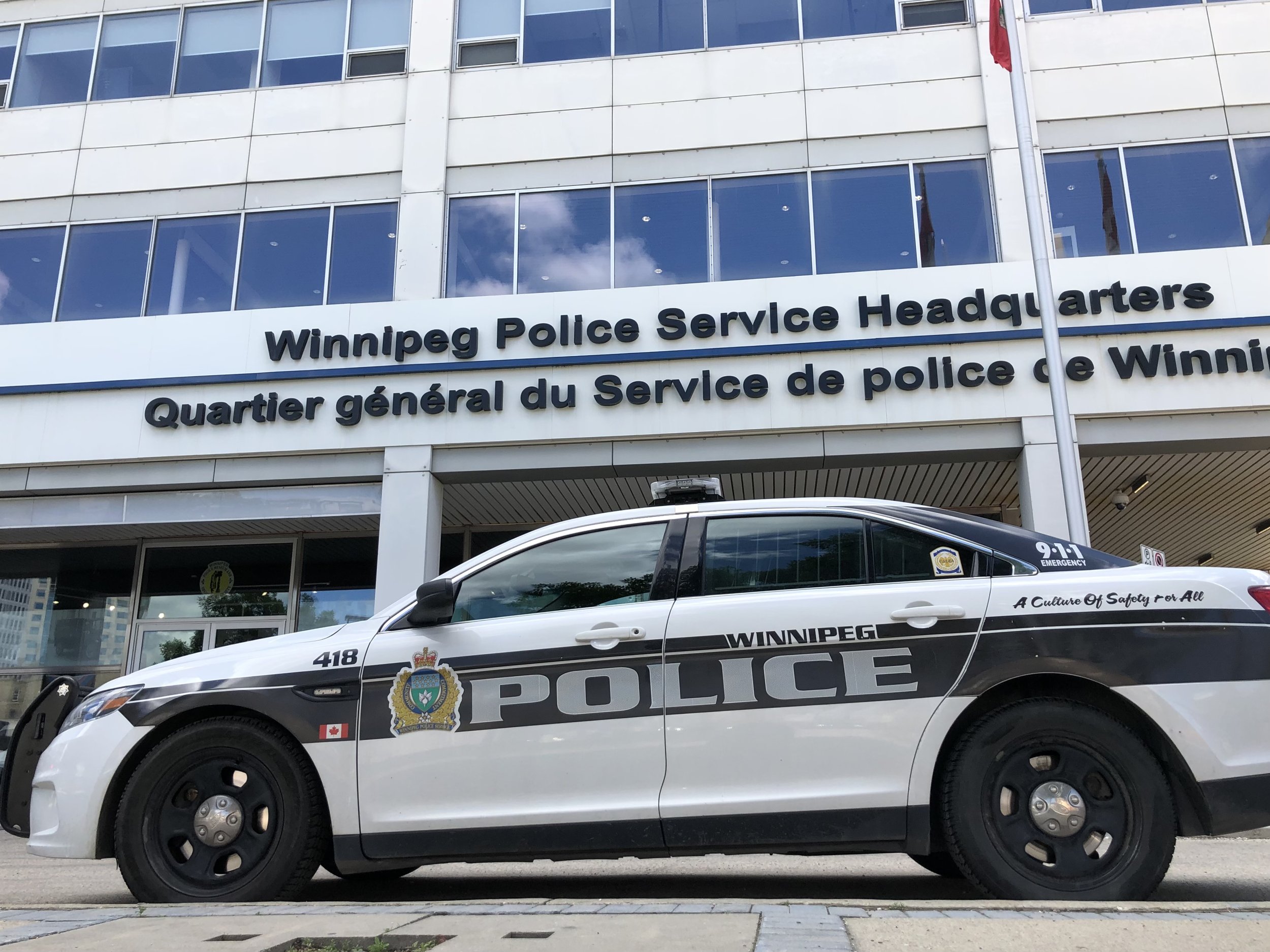
However, if the officer places you under arrest for a criminal offence (e.g. possession of stolen property, driving while impaired, possession of drugs), then your right to counsel under s. 10(b) of the Charter of Rights and Freedoms is engaged. The officer must tell you about your right to contact a lawyer and then ask if you would like to do so. At that point, you should tell the officer you would like to talk to a lawyer and you can request to speak with me, Michael Dyck.


Latest Blog Posts
USA CAN Flags.jpeg
Nov 26, 2025
Denied Entry to the USA - Even Without a Criminal Record
Nov 26, 2025
Nov 26, 2025
Bail Money Scam Alert
Jun 3, 2025
Bail Money Scam Alert
Jun 3, 2025
Jun 3, 2025
Police Drop Charges.jpg
Jun 28, 2022
Can you ask police to drop charges?
Jun 28, 2022
Jun 28, 2022
Charter Rights in Canada.jpg
Jun 28, 2022
Does Canada have a version of Miranda rights?
Jun 28, 2022
Jun 28, 2022
Michael Dyck domestic violence.jpeg
May 16, 2022
What is all included in domestic violence?
May 16, 2022
May 16, 2022
What should you NOT do during a traffic stop?
Dec 1, 2020
What should you NOT do during a traffic stop?
Dec 1, 2020
Dec 1, 2020
Manitoba Court Closures (Coronavirus / COVID 19 Response) - Fall 2020
Nov 16, 2020
Manitoba Court Closures (Coronavirus / COVID 19 Response) - Fall 2020
Nov 16, 2020
Nov 16, 2020
Finding the Best Criminal Lawyer - Is Your Lawyer Legit or Full of It?
Jul 28, 2020
Finding the Best Criminal Lawyer - Is Your Lawyer Legit or Full of It?
Jul 28, 2020
Jul 28, 2020
Why Would I Need an Affidavit?
Apr 17, 2020
Why Would I Need an Affidavit?
Apr 17, 2020
Apr 17, 2020
Where can I find a notary public?
Mar 31, 2020
Where can I find a notary public?
Mar 31, 2020
Mar 31, 2020
Manitoba Court Closures (Coronavirus / COVID 19 Response)
Mar 17, 2020
Manitoba Court Closures (Coronavirus / COVID 19 Response)
Mar 17, 2020
Mar 17, 2020
Rees Dyck Rogala Law Offices
Dec 31, 2019
Rees Dyck Rogala Law Offices
Dec 31, 2019
Dec 31, 2019
Can you have pot in your car?
Mar 27, 2019
Can you have pot in your car?
Mar 27, 2019
Mar 27, 2019
Big DUI Change That Will Impact All Canadians
Dec 18, 2018
Big DUI Change That Will Impact All Canadians
Dec 18, 2018
Dec 18, 2018
MAJOR UPDATE: Cell Phones and Driving in Manitoba (August 2018)
Aug 26, 2018
MAJOR UPDATE: Cell Phones and Driving in Manitoba (August 2018)
Aug 26, 2018
Aug 26, 2018
Michael Dyck drive impaired marijuana pot
Jun 22, 2018
TV Appearance: CTV Winnipeg Marijuana Impaired Driving
Jun 22, 2018
Jun 22, 2018
Michael Dyck First DUI Cost Manitoba
Jun 19, 2018
How much does your first DUI cost in Manitoba - Infographic
Jun 19, 2018
Jun 19, 2018
How much does it cost if you get a DUI? (And why it is cheaper to hire a helicopter)
Jun 19, 2018
How much does it cost if you get a DUI? (And why it is cheaper to hire a helicopter)
Jun 19, 2018
Jun 19, 2018
Can you have alcohol in your car?
Apr 2, 2018
Can you have alcohol in your car?
Apr 2, 2018
Apr 2, 2018
Michael Dyck news
Jan 30, 2018
Mix 96 Steinbach Guest Spot: Drinking and Driving Costs
Jan 30, 2018
Jan 30, 2018
Preventing a Break and Enter in Your Home: Tips From a Criminal Defence Lawyer
Jul 24, 2017
Preventing a Break and Enter in Your Home: Tips From a Criminal Defence Lawyer
Jul 24, 2017
Jul 24, 2017
Fort Richmond Collegiate: May 19, 2017 Presentation
May 19, 2017
Fort Richmond Collegiate: May 19, 2017 Presentation
May 19, 2017
May 19, 2017
Supreme Court of Canada Series: R. v. Oland (Bail Pending Appeal)
Mar 24, 2017
Supreme Court of Canada Series: R. v. Oland (Bail Pending Appeal)
Mar 24, 2017
Mar 24, 2017
Supreme Court of Canada Series: R. v. Bingley (DRE Experts)
Feb 24, 2017
Supreme Court of Canada Series: R. v. Bingley (DRE Experts)
Feb 24, 2017
Feb 24, 2017
Steinbach Regional Secondary School: November 16, 2016
Nov 16, 2016
Steinbach Regional Secondary School: November 16, 2016
Nov 16, 2016
Nov 16, 2016
Supreme Court of Canada Series: R. v. Anthony-Cook (Joint Recommendations)
Oct 24, 2016
Supreme Court of Canada Series: R. v. Anthony-Cook (Joint Recommendations)
Oct 24, 2016
Oct 24, 2016
Maclean's Article Tackles Impaired Driving by Drug Issue
Oct 7, 2016
Maclean's Article Tackles Impaired Driving by Drug Issue
Oct 7, 2016
Oct 7, 2016
Supreme Court of Canada Series: R. v. Jordan (Unreasonable Delay)
Jul 8, 2016
Supreme Court of Canada Series: R. v. Jordan (Unreasonable Delay)
Jul 8, 2016
Jul 8, 2016
Cell Phones and Driving in Manitoba (June 2016 Update)
Jun 25, 2016
Cell Phones and Driving in Manitoba (June 2016 Update)
Jun 25, 2016
Jun 25, 2016
Supreme Court of Canada Series: R. v. Safarzadeh-Markhali (Pre-Sentence Custody Credit)
Apr 16, 2016
Supreme Court of Canada Series: R. v. Safarzadeh-Markhali (Pre-Sentence Custody Credit)
Apr 16, 2016
Apr 16, 2016

Related articles

  • Big DUI Change That Will Impact All Canadians

  • Can you have alcohol in your car?

  • Can you have pot in your car?

  • Impaired Driving or DUIs

  • MAJOR UPDATE: Cell Phones and Driving in Manitoba (August 2018)

  • Preventing a Break and Enter in Your Home: Tips From a Criminal Defence Lawyer

About the author

Michael Dyck is a partner at Rees Dyck Rogala Law Offices. He represents clients primarily from Winnipeg, Steinbach, and rural Manitoba. He has extensive experience helping people charged with criminal offences and focuses on building legal strategy with clients.

Tags traffic stop, pulled over, Highway Traffic Act, Traffic Ticket, driving laws, Manitoba, criminal defence, Winnipeg criminal lawyer, drive impaired, drive over .08, drunk driving, criminal lawyer, DUI
1 Comment

Manitoba Court Closures (Coronavirus / COVID 19 Response) - Fall 2020

November 16, 2020 Michael Dyck
Michael Dyck Manitoba Court Coronavirus COVID 19

On November 10, 2020, after the Province of Manitoba announced a province-wide red alert to deal with the increase in our COVID-19 rate, the Courts in Manitoba responded by shutting down most hearings for the next month. The initial announcement from the Provincial Court was on November 12, 2020. As the Province of Manitoba provided further updates about COVID-19 measures, the courts have extended the shutdown with a second announcement on November 30, 2020. Again on December 30, 2020, the courts extended the shutdown with a third announcement and are keeping courts closed until January 29, 2021.

Because most of the criminal cases are handled by the Provincial Court, I am going to focus on what you need to know to confirm when your next court date will be.

I will also endeavour to update this post as I receive updated information from the courts, so you can come back here. This post was last updated on January 6, 2021 at 4:47 pm.


The shutdown was supposed to end on Dec. 11, but was extended to Jan. 29, 2021


Provincial Court

On November 10, 2020, the Provincial Court of Manitoba sent out a notice that all courts would be cancelled except for major court centres (Winnipeg, Portage la Prairie, Brandon, Dauphin, The Pas, and Thompson) to handle in custody cases for both adults and youths. You can read the official notice by clicking here. If you are NOT in custody right now, you will NOT have a court appearance between November 12, 2020 and January 29, 2021. This means that first appearances, remand appearances, guilty plea dates, sentencing dates, and trial dates for people who are NOT in custody are all being cancelled and will have to be rescheduled.

What is my new court date?

If you do not have a lawyer but would like some help with your case, please click here to contact me and I would be happy to help you with your case. I am happy to arrange meetings by phone, video conference, or in person (on a case by case basis). We can also complete Legal Aid applications over the phone.

If you were recently arrested and released by the police with a court date between now and January 29, 2021, you can find out when your “new” first court appearance will be clicking on one of the links below.

  • Winnipeg

    • Court date was between November 16 and December 11

    • Court date was between December 14 and December 31

    • Court date was between January 4 and January 8

    • Court date was between January 11 and January 29

  • Winnipeg Legal Aid Administrative Court

    • Court date was December 8 at 9:30 am in courtroom 402

  • Brandon, Thompson, The Pas, Dauphin, or Portage la Prairie

    • Court date was between November 16 and December 11

    • Court date was between December 14 and December 31

    • Court date was between January 4 and January 8

    • Court date was between January 11 and January 29

  • All other rural court appearances

    • Court date was between November 16 and December 11

    • Court date was between December 14 and December 31

    • Court date was between January 4 and January 8

    • Court date was between January 11 and January 29

    • List of court locations that will not open court in the foreseeable future

You can always call the Provincial Court to confirm what your next court date will be at 204-945-3454, ext. 1 for English and then ext. 0 for reception.

If you have a lawyer already

If you have a lawyer, you can contact him or her to find out when your new court date will be. Please keep in mind, if you had a guilty plea date, sentencing date, or trial date arranged between November 12 and January 29, your lawyer will have to coordinate a new date with both the court office and the assigned Crown Attorney and that will take some time to organize. So please, be patient as we reschedule and finalize new dates. (If you are already a client of Rees Dyck Rogala, you can contact Kyra at Front Reception at our firm to confirm your next court date 204-415-5544 ext. 0).

Provincial Court - Northern Communities

On October 30, 2020, the Provincial Court of Manitoba sent out a notice that some court locations would not see court resuming until at least January 2021 (Brochet First Nations, Cross Lake, and Norway House). A list of other court locations did not expect to hold court for the foreseeable future (Gillam, God’s Lake Narrows, God’s River, Lac Brochet, Oxford House, Peguis, Poplar River, Pukatawgan, Shamattawa, South Indian Lake, Split Lake, and Waywayseecappo). There was a plan to return to several communities in November (Garden Hill, Churchill, St. Martin, and Sioux Valley). You can read the official notice by clicking here. However, after the announcement on November 30, 2020, all rural court dates are cancelled until at least January 8th.

Traffic Court at 373 Broadway

The Provincial Offences Court office at 373 Broadway will be closed to the public between November 12, 2020 and January 29, 2021. Any court appearances between those dates will have to be rescheduled. Click here to see the official court notice about traffic tickets. The court notice says that the new date and time will be sent to you, but you can also follow up with them directly by phone 204-945-3156 or 1-800-282-8069 ext 3156 or by email to poc@gov.mb.ca.

Manitoba Court of Queen’s Bench

On November 10, 2020, the Manitoba Court of Queen’s Bench announced that all matters scheduled to appear between November 16 to December 11 were cancelled, except for judge-alone criminal trials with an accused in custody. All jury trials that were going to start during this time will be rescheduled, but trials already in progress are allowed to finish. You can read the official notice by clicking here. The Court is prepared to allow virtual trials to proceed with permission from the Associate Chief Justice on a case-by-case basis. Many other judicial services that were being offered by video or audio conference are going to continue (including criminal, civil, family, and child protection matters).

Manitoba Court of Appeal

On November 2, 2020, the Manitoba Court of Appeal announced that all hearings would be conducted remotely (by telephone or video appearances) until further notice. You can read the official notice by clicking here. There were no updates or changes to this policy after the provincial announcement.


Win Stuff & stay at home

Sign up for my email newsletter to receive criminal law updates and to enter contests for SkipTheDishes and Netflix gift cards.

You are officially signed up.


Latest Blog Posts
USA CAN Flags.jpeg
Nov 26, 2025
Denied Entry to the USA - Even Without a Criminal Record
Nov 26, 2025
Nov 26, 2025
Bail Money Scam Alert
Jun 3, 2025
Bail Money Scam Alert
Jun 3, 2025
Jun 3, 2025
Police Drop Charges.jpg
Jun 28, 2022
Can you ask police to drop charges?
Jun 28, 2022
Jun 28, 2022
Charter Rights in Canada.jpg
Jun 28, 2022
Does Canada have a version of Miranda rights?
Jun 28, 2022
Jun 28, 2022
Michael Dyck domestic violence.jpeg
May 16, 2022
What is all included in domestic violence?
May 16, 2022
May 16, 2022
What should you NOT do during a traffic stop?
Dec 1, 2020
What should you NOT do during a traffic stop?
Dec 1, 2020
Dec 1, 2020
Manitoba Court Closures (Coronavirus / COVID 19 Response) - Fall 2020
Nov 16, 2020
Manitoba Court Closures (Coronavirus / COVID 19 Response) - Fall 2020
Nov 16, 2020
Nov 16, 2020
Finding the Best Criminal Lawyer - Is Your Lawyer Legit or Full of It?
Jul 28, 2020
Finding the Best Criminal Lawyer - Is Your Lawyer Legit or Full of It?
Jul 28, 2020
Jul 28, 2020
Why Would I Need an Affidavit?
Apr 17, 2020
Why Would I Need an Affidavit?
Apr 17, 2020
Apr 17, 2020
Where can I find a notary public?
Mar 31, 2020
Where can I find a notary public?
Mar 31, 2020
Mar 31, 2020

About the author

Michael Dyck is a partner at Rees Dyck Rogala Law Offices. He represents clients primarily from Winnipeg, Steinbach, and rural Manitoba. He has extensive experience helping people charged with criminal offences and focuses on building legal strategy with clients. To read more of his articles, please visit his partner's website TomRees.ca.

Tags criminal defence, criminal law, Manitoba, Manitoba Court of Appeal, Manitoba Court of Queen's Bench, Manitoba Provincial Court, Winnipeg, coronavirus, COVID-19, HTA, Highway Traffic Act, Traffic Ticket, 373 Broadway
Comment

Finding the Best Criminal Lawyer - Is Your Lawyer Legit or Full of It?

July 28, 2020 Michael Dyck
Michael Dyck Legit Lawyer Header.JPG

For many people charged with a criminal offence, it is their first time. It is stressful to think about the potential consequences and it is stressful to know what to do or who to hire. First, I would always recommend that you hire a lawyer if you are charged with a criminal offence. As a criminal defence lawyer, it makes sense that I would recommend you hire one, so I may be biased. But you don’t have to listen to me. Whenever people that are very familiar with the justice system like judges, police officers, or corrections officers are charged with a criminal offence, they hire a lawyer. I want to help explain how I think it should work when you hire a criminal lawyer so that you can figure out if the lawyer you meet with is legit or full of it.

Michael Dyck Legit Lawyer 1.jpg

What is a retainer

A legit lawyer will explain this in detail

A “retainer” is a word that a lot of new clients have heard before, but almost no one understands exactly what it means or how it works.

In a very basic sense, a retainer is like a pre-pay or a down payment. It is money collected at the beginning of the case to cover the lawyer’s bill at the end of the case. The reason criminal lawyers like this process is because, unfortunately, some clients may not pay an outstanding bill after all the work is done. Even in cases where I was able to get an outstanding result for a client, some still haven’t paid their outstanding bills. By collecting a retainer upfront, it guarantees that the lawyer will get paid for his or her work at the end of the case.

To be more specific, any money that you pay to the lawyer as a retainer does NOT go to the lawyer directly. Instead, it goes into a special type of bank account called a “trust account” and the trust account is handled by the lawyer’s firm. It is called a trust account because you are trusting the money to him or her. Money in a trust account at a law firm is really just like any other bank account that you’d have. It is still your money, but we are holding onto it for you. We cannot lose or spend your money, and the only way the money can leave the trust account is with the client’s permission. After a lawyer completes work on your file, then he or she can prepare a bill for the work completed and the money can then be transferred from the trust account to a pay cheque for the lawyer.

So, it is different than a pre-pay because even if a client pays a retainer on day one, the lawyer you hire does not actually receive any of the money yet (but he or she hasn’t completed any work, so he or she doesn’t really deserve any money yet). Lawyers can only receive money paid as a retainer after they prepare a bill for work completed.

A legit lawyer will explain in detail to new clients what a retainer is so clients actually understand what is going on. I always explain what a retainer is in detail and I often use an analogy at my initial meetings to help clients understand.

Michael Dyck Legit Lawyer 2.JPG

How much does it cost

A legit lawyer will tell you exactly

First, you have to know that all lawyers seem to do things a bit differently. The key is to ask a lot of questions so you can understand how the costs and fees actually work.

Some lawyers charge clients using a block fee or a flat fee. This system works like a menu at a restaurant. There are different types of legal work the lawyer can do (such as a bail application, a guilty plea, or a trial) and there are different costs for each of those types of work. It seems that most Winnipeg defence lawyers prefer to use block fees. 

Alternatively, lawyers can also use an hourly rate. Lawyers keep track of every minute they spend working on the file including every meeting, phone call, text message, and email. The lawyer prepares a detailed timesheet that documents the work completed and then multiplies it by the hourly rate. The problem with hourly rates is that neither the client or the lawyer knows what the final bill will be, so it can make some clients anxious and the final bill may be a surprise. There isn’t a right or wrong way here - some clients like block fees and some like hourly rates. The key is for you to understand how the lawyer will be charging you at the outset.

A legit lawyer will tell you exactly what the block fees are (or quote you a range) and/or tell you what the hourly rate is. I almost exclusively use block fees because I want my clients to be able to plan and budget for their legal fees. I think that an experienced criminal defence lawyer should be able to estimate how much work a particular case will require and quote an exact block fee for the client. Some lawyers do not tell you what the final costs will be, or they can be vague about the block fee. But, to me, that doesn’t seem like a fair way to treat someone. At a restaurant, you get to see the prices before you order your food, shouldn’t that same idea apply to legal fees? I always tell my clients what the exact block fee will be at our first meeting.

Michael Dyck Legit Lawyer 3.JPG

Initial retainer vs. final cost

A legit lawyer will tell you both

An initial retainer is the amount of money the client must pay into the trust account before the lawyer will begin any work.

For some lawyers, they will tell you that they won’t open a file for you or start any work unless you pay an initial retainer first. I think that is a completely reasonable approach as long as the lawyer explained what the block fees are or what the hourly rate is. Many lawyers, myself included, will not start working on a file unless a client has paid an initial retainer or made a first payment on a payment plan. Not all lawyers ask their clients to pay an initial retainer. It is important to discuss with your lawyer if there is an initial retainer amount and then what that amount is.

One problem that can occur is when a lawyer tells you a retainer amount and you assume it is the final cost, but the lawyer meant that it was only the initial retainer. In most cases, the initial retainer is NOT the same as the final cost. This problem is easy to avoid if you can confirm if the amount quoted is an initial retainer or the final cost. Some lawyers may try and lure new clients with a lower retainer amount than other lawyers, but then surprise clients part way through the case with the final costs/fees.

A legit lawyer will tell you what the retainer amount is as well as what the final cost is (either as a block fee or hourly rate). I always tell my clients what the final costs or fees will be at our first meeting. I do not ask my clients to pay an initial retainer. Instead, I provide my clients with the final cost and then I start working on the case after the first payment is complete.

Michael Dyck Legit Lawyer 4.JPG

What is a retainer agreement

A legit lawyer will give you one

Lawyers love paperwork, right? Not always, it seems. A retainer agreement is a letter that the lawyer prepares and gives to the client to ensure the client understands how it works to hire the lawyer and what the costs or fees are. In many ways, it is like a contract between the lawyer and the client. The retainer agreement can outline what the retainer amount is, what the block fees are, what the hourly rate is, and how the lawyer charges the client if the legal relationship ends early.

In my experience, a lot of Winnipeg criminal defence lawyers don’t use retainer agreements. It isn’t a requirement from the Law Society of Manitoba, but they do recommend that lawyers put details in writing for clients about costs. Under the commentary section of the Code of Conduct for “Reasonable Fees and Disbursements” it says:

A lawyer should provide to the client in writing, before or within a reasonable time after commencing a representation, as much information regarding fees and disbursements, and interest, as is reasonable and practical in the circumstances, including the basis on which fees will be determined.

I think a legit lawyer should provide you with a retainer agreement in order to make sure the you understand everything properly and to help avoid misunderstandings. No one has a perfect memory, so the retainer agreement makes sure what was discussed at the meeting is written down and agreed upon by everyone. I think a retainer agreement helps my clients clearly understand how the lawyer-client relationship works and what the costs and fees are, so I always prepare retainer agreements at the end of our first meeting so they can review it in detail before they make any decisions.

Michael Dyck Legit Lawyer 5.JPG

Are there extra costs

A legit lawyer will tell you

Part of the discussion about costs and fees should include details about extras. Are taxes extra? Is travel time and mileage extra? Are there extra costs for disbursements like photocopies or postage? Some firms have a “file disbursement fee” that is designed to cover all the costs of photocopies and postage, but you should still make sure you know what the file disbursement fee is. These are questions that should be answered at the first meeting.

The Code of Conduct from the Law Society says:

A lawyer must not charge or accept a fee or disbursement, including interest, unless it is fair and reasonable and has been disclosed in a timely fashion.

In some cases, lawyers decide to charge clients an additional amount for exceptional results. Basically, if the lawyer does a great job and gets a great result for the client, the lawyer can charge a “win bonus.” This is not against the Code of Conduct, but I think a lawyer would have to tell a client they may decide to charge a win bonus in the retainer agreement.

A legit lawyer will provide you all the details about extra costs and include them in the retainer agreement. I always tell my clients all the details about disbursements and travel time and mileage costs. I include that information in the retainer agreement that I give to my clients at the end of the first meeting. Finally, I have never charged a client a win bonus and I don’t plan on doing it. I think I should be motivated to work hard for you because you hired me and you are paying me to do a job. I do not think I should need “extra motivation” to try and get you a great result. 

Michael Dyck Legit Lawyer 6.jpg

Can I get a receipt

A legit lawyer will provide receipts

The Law Society has very strict rules about how lawyers accept money from clients. For cash payments, a lawyer must always issue you a receipt immediately. It is best to count out cash together and then both you and the lawyer should sign the receipt to confirm the amount, then the lawyer provides you with a copy of the receipt. For cheques or money orders, a receipt isn’t necessary because the amount being paid is clearly written, but you can always request a receipt if you would like one. For credit/debit payments, you should be able to receive a copy of the payment slip from the debit/credit machine for your records and you could also request a receipt from the firm if you would like one.

A legit lawyer will always issue you a receipt immediately for cash payments and will offer to issue you a receipt for other payment types. At our firm, we always issue receipts for cash payments as well as whenever a client requests one.

Michael Dyck Legit Lawyer 7.jpg

Non-refundable retainer

A legit lawyer won’t say this

This one is really easy to explain. All lawyer fees have to be fair and reasonable - the Law Society says so. So, if you hire a lawyer today and pay him or her a $1,000 retainer, and then tomorrow you change your mind, the lawyer doesn’t get to automatically keep that money. Even if the lawyer told you the retainer was non-refundable. Even if the receipt said the payment was non-refundable (this is something I’ve actually seen on the receipt for a Winnipeg criminal defence firm). Instead, the lawyer would have to justify what legal work was completed, provide a bill for that work, and provide a refund if there was any money remaining in the trust account.

A legit lawyer would never tell you that a retainer is non-refundable because that would be intentionally misleading to you. Frankly, if the term non-refundable retainer came up at some point during a meeting with a Winnipeg criminal defence lawyer, I would walk out of that meeting. I always explain how costs and fees work with my clients because I want them to actually understand so they can make informed decisions. I have never told a client that a retainer is non-refundable and the receipts from my firm definitely do not say that either. 

Michael Dyck Legit Lawyer 8.jpeg

Legal Aid Plus Cash

A legit lawyer won’t double dip

A lawyer is allowed to collect the Legal Aid application fee of $25 to forward to Legal Aid on your behalf. If your application with Legal Aid Manitoba is approved, it means that Legal Aid will pay the lawyer for the legal work that needs to be completed on the case. You do not need to pay the lawyer anything more or extra to work on the case. Sometimes, people think that if they can pay the lawyer something extra, that they will get better service from the lawyer. However, lawyers are not allowed to accept payments for legal work that is covered by Legal Aid and it would be fraudulent and unethical for them to do so. There is an exception where you can pay a lawyer privately for parts of the case that Legal Aid refuses to pay for. For example, if Legal Aid does not authorize travel time or mileage for a file, the lawyer may bill Legal Aid for the legal work and then bill the client privately for travel time and mileage (assuming the client has agreed to this in advance).

A legit lawyer will not ask for more money on a case where Legal Aid is already approved. If the lawyer is not prepared to work for what Legal Aid pays, then the lawyer should not have agreed to take the case on a Legal Aid basis. I never double dip or suggest that I’ll work harder for clients on Legal Aid if they pay me something extra.

Michael Dyck Legit Lawyer 9.JPG

False or mis-leading ads

A legit lawyer won’t break the rules

The Manitoba Law Society’s Code of Conduct has specific rules about how lawyers in Manitoba are allowed to advertise. Basically, advertisements have to be truthful, accurate, and verifiable and they cannot be misleading, confusing, deceptive, or likely to be misleading, confusing, or deceptive. Manitoba lawyers cannot suggest they are superior to other lawyers, suggest or imply that they are aggressive, or disparage or demean other people, groups, or organizations. So, if you see an advertisement or a lawyer’s website and it says anything like this, they are breaking the Code of Conduct and acting unethically:

  • they are the one of the best criminal lawyers in Winnipeg

  • they provide the best legal help

  • they are the most trusted lawyer in Winnipeg

  • they are the best assault lawyer in Winnipeg

  • they are one of the best drive impaired lawyers in Winnipeg

  • they are the top cyber fraud lawyer in Winnipeg

  • they say when most lawyers give up and refuse to take up your case, they take it as a challenge to help you

  • they say they are aggressive or will do what it takes to win

  • they say they have a very high success rate

You also need to be careful about lawyers that claim they have won certain awards like “DUI Defence Attorney Top 10” from Attorney and Practice Magazine or “The National Trial Lawyers Top 40 Under 40” or if they advertise a rating from a website that they aren’t actually on, like Avvo.com. Some unethical lawyers claim they won awards that they actually didn’t.

Additionally, Manitoba lawyers cannot claim they are a specialist or an expert in a certain are. Instead, lawyers can only say they have a preferred area of practice. For example, I cannot say that I am a drive impaired expert, but I can say I am a criminal defence lawyer and a big part of my practice focuses on drive impaired cases.

A legit lawyer will not break the advertising rules in the Code of Conduct to try and get new clients. I know the advertising rules and make sure I am following them.

Michael Dyck Legit Lawyer 10.JPG

Trouble with the Law Society

A legit lawyer doesn’t break the rules

If a lawyer breaks one of the rules in the Law Society's Code of Conduct, the decision is publicly available. Before you decide to hire a lawyer, you may want to check to see:

  1. If the lawyer has ever been disciplined by the Law Society of Manitoba (you can search by year or by the last name of the lawyer)

  2. If the lawyer is currently under suspension, a restriction, injunction, or an undertaking with the Law Society of Manitoba

  3. If the lawyer has an upcoming disciplinary hearing with the Law Society of Manitoba

A legit lawyer will not constantly be in trouble with the Law Society. I have not been disciplined, suspended, or on an undertaking with the Law Society of Manitoba.


Latest Blog Posts
USA CAN Flags.jpeg
Nov 26, 2025
Denied Entry to the USA - Even Without a Criminal Record
Nov 26, 2025
Nov 26, 2025
Bail Money Scam Alert
Jun 3, 2025
Bail Money Scam Alert
Jun 3, 2025
Jun 3, 2025
Police Drop Charges.jpg
Jun 28, 2022
Can you ask police to drop charges?
Jun 28, 2022
Jun 28, 2022
Charter Rights in Canada.jpg
Jun 28, 2022
Does Canada have a version of Miranda rights?
Jun 28, 2022
Jun 28, 2022
Michael Dyck domestic violence.jpeg
May 16, 2022
What is all included in domestic violence?
May 16, 2022
May 16, 2022
What should you NOT do during a traffic stop?
Dec 1, 2020
What should you NOT do during a traffic stop?
Dec 1, 2020
Dec 1, 2020
Manitoba Court Closures (Coronavirus / COVID 19 Response) - Fall 2020
Nov 16, 2020
Manitoba Court Closures (Coronavirus / COVID 19 Response) - Fall 2020
Nov 16, 2020
Nov 16, 2020
Finding the Best Criminal Lawyer - Is Your Lawyer Legit or Full of It?
Jul 28, 2020
Finding the Best Criminal Lawyer - Is Your Lawyer Legit or Full of It?
Jul 28, 2020
Jul 28, 2020
Why Would I Need an Affidavit?
Apr 17, 2020
Why Would I Need an Affidavit?
Apr 17, 2020
Apr 17, 2020
Where can I find a notary public?
Mar 31, 2020
Where can I find a notary public?
Mar 31, 2020
Mar 31, 2020
Manitoba Court Closures (Coronavirus / COVID 19 Response)
Mar 17, 2020
Manitoba Court Closures (Coronavirus / COVID 19 Response)
Mar 17, 2020
Mar 17, 2020
Rees Dyck Rogala Law Offices
Dec 31, 2019
Rees Dyck Rogala Law Offices
Dec 31, 2019
Dec 31, 2019
Can you have pot in your car?
Mar 27, 2019
Can you have pot in your car?
Mar 27, 2019
Mar 27, 2019
Big DUI Change That Will Impact All Canadians
Dec 18, 2018
Big DUI Change That Will Impact All Canadians
Dec 18, 2018
Dec 18, 2018
MAJOR UPDATE: Cell Phones and Driving in Manitoba (August 2018)
Aug 26, 2018
MAJOR UPDATE: Cell Phones and Driving in Manitoba (August 2018)
Aug 26, 2018
Aug 26, 2018
Michael Dyck drive impaired marijuana pot
Jun 22, 2018
TV Appearance: CTV Winnipeg Marijuana Impaired Driving
Jun 22, 2018
Jun 22, 2018
Michael Dyck First DUI Cost Manitoba
Jun 19, 2018
How much does your first DUI cost in Manitoba - Infographic
Jun 19, 2018
Jun 19, 2018
How much does it cost if you get a DUI? (And why it is cheaper to hire a helicopter)
Jun 19, 2018
How much does it cost if you get a DUI? (And why it is cheaper to hire a helicopter)
Jun 19, 2018
Jun 19, 2018
Can you have alcohol in your car?
Apr 2, 2018
Can you have alcohol in your car?
Apr 2, 2018
Apr 2, 2018
Michael Dyck news
Jan 30, 2018
Mix 96 Steinbach Guest Spot: Drinking and Driving Costs
Jan 30, 2018
Jan 30, 2018
Preventing a Break and Enter in Your Home: Tips From a Criminal Defence Lawyer
Jul 24, 2017
Preventing a Break and Enter in Your Home: Tips From a Criminal Defence Lawyer
Jul 24, 2017
Jul 24, 2017
Fort Richmond Collegiate: May 19, 2017 Presentation
May 19, 2017
Fort Richmond Collegiate: May 19, 2017 Presentation
May 19, 2017
May 19, 2017
Supreme Court of Canada Series: R. v. Oland (Bail Pending Appeal)
Mar 24, 2017
Supreme Court of Canada Series: R. v. Oland (Bail Pending Appeal)
Mar 24, 2017
Mar 24, 2017
Supreme Court of Canada Series: R. v. Bingley (DRE Experts)
Feb 24, 2017
Supreme Court of Canada Series: R. v. Bingley (DRE Experts)
Feb 24, 2017
Feb 24, 2017
Steinbach Regional Secondary School: November 16, 2016
Nov 16, 2016
Steinbach Regional Secondary School: November 16, 2016
Nov 16, 2016
Nov 16, 2016
Supreme Court of Canada Series: R. v. Anthony-Cook (Joint Recommendations)
Oct 24, 2016
Supreme Court of Canada Series: R. v. Anthony-Cook (Joint Recommendations)
Oct 24, 2016
Oct 24, 2016
Maclean's Article Tackles Impaired Driving by Drug Issue
Oct 7, 2016
Maclean's Article Tackles Impaired Driving by Drug Issue
Oct 7, 2016
Oct 7, 2016
Supreme Court of Canada Series: R. v. Jordan (Unreasonable Delay)
Jul 8, 2016
Supreme Court of Canada Series: R. v. Jordan (Unreasonable Delay)
Jul 8, 2016
Jul 8, 2016
Cell Phones and Driving in Manitoba (June 2016 Update)
Jun 25, 2016
Cell Phones and Driving in Manitoba (June 2016 Update)
Jun 25, 2016
Jun 25, 2016
Supreme Court of Canada Series: R. v. Safarzadeh-Markhali (Pre-Sentence Custody Credit)
Apr 16, 2016
Supreme Court of Canada Series: R. v. Safarzadeh-Markhali (Pre-Sentence Custody Credit)
Apr 16, 2016
Apr 16, 2016

About the author

Michael Dyck is a partner at Rees Dyck Rogala Law Offices. He represents clients primarily from Winnipeg, Steinbach, and rural Manitoba. He has extensive experience helping people charged with criminal offences and focuses on building legal strategy with clients. To read more of his articles, please visit his partner's website TomRees.ca.

Tags criminal defence, criminal law, criminal lawyer, Winnipeg, Winnipeg lawyer, retainer, retainer agreement, legal fees, Winnipeg criminal lawyer
1 Comment

Why Would I Need an Affidavit?

April 17, 2020 Michael Dyck
Affidavit Michael Dyck.jpg

Who Can take an affidavit?

How do i give an affidavit?

How do you get an affidavit?

what is an affidavit?

Chances are, you have heard the word affidavit (pronounced aff-ah-David) before on a TV show or movie, but most people have no clue what it actually is. If you’re curious to learn or if you need an affidavit to be prepared, you’ve come to the right place.

What is an affidavit?

An affidavit is a legal statement containing a written set of facts, where an affiant or deponent (the person making the statement and attesting to the affidavit’s truth) voluntarily swears or affirms that the statement is true. Affidavits are formal legal documents and the set of facts in the statement is your personal knowledge about the particular circumstance or event that you are providing an affidavit for. You can include your personal opinion or belief, but beliefs or opinions must be clearly identified in the affidavit.

Lawyer to human translation

You’ve probably seen characters on different TV shows or movies testify as a witness in court. Before the witness starts, they usually put a hand on a Bible and swear the testimony will be “the truth, the whole truth, and nothing but the truth.” If a witness lies in court after swearing to tell the truth, it is called perjury and it is a criminal offence. In Canada, perjury is a pretty serious crime because the Crown Attorney has to proceed by way of indictment (the Canadian word for felony) and the maximum sentence is 14 years in prison. So, if you swear under oath to tell the truth, we really want you to be truthful.

An affidavit is very similar to testifying in court, except you prepare a document and can review it in detail before you swear and sign it instead of answering questions on the spot in court. You normally prepare the document with a lawyer and you have the chance to make any necessary edits or changes so the information is 100% accurate. Then, you either swear on a Bible or you can solemnly affirm the information in the affidavit is truthful. If you lie in an affidavit, it is just like lying in court and you can be charged with perjury. Information in the affidavit has to be facts that you know about because you saw it, or said it, or heard it. If you include information that isn’t first-hand knowledge, you have to make it clear in the affidavit that it is not first-hand information.

Why would I need an affidavit?

Because an affidavit is sworn or affirmed to be true, it is used to provide evidence (or proof of something). Here are some common circumstances where an affidavit may be needed:

  • To make a statement to be filed in court

  • To confirm you did not have possession of stolen property or illegal drugs

  • To state that you received legal documents

  • To verify your residency

  • To confirm a name change in the event of marriage or divorce

  • To claim property

  • To verify identity

  • To verify a death

How do I give an affidavit?

After drafting the statement of facts, the affiant must swear or solemnly affirm that the contents of the affidavit are made truthfully and accurately. The document is then signed by the person making the affidavit as well as the person administering it (usually a lawyer). The affidavit must be taken in the administrator’s presence, and he or she must be satisfied that the affiant’s signature is genuine. Signing an affidavit that has false or misleading information can result in criminal penalties. That is why it is important to carefully review the statement to ensure that it is truthful.

Who can take an affidavit for me?

An affidavit can only be administered before certain people set out by provincial laws. Affidavits can be taken by a licenced lawyer in the Province of Manitoba or by a Commissionaire of Oaths. A lawyer could provide you legal advice as the two of you prepare the affidavit whereas a Commissionaire of Oaths can only act as an administrator. Depending on the situation, it may be better to have a lawyer act as the administrator.

Michael Dyck is a lawyer licensed to practice in Manitoba, so he can help you take an affidavit at his head office in Winnipeg or his satellite office in Steinbach, Manitoba. Please click here to connect with Michael Dyck today.

Rees Dyck Rogala Law Offices are open during the coronavirus / COVID-19 pandemic. We are taking precautions to limit the spread of the virus. We are conducting interviews and meetings by phone or video conference and ensuring enhanced cleaning and social distancing policies if clients must attend our office in person.


Latest Blog Posts
USA CAN Flags.jpeg
Nov 26, 2025
Denied Entry to the USA - Even Without a Criminal Record
Nov 26, 2025
Nov 26, 2025
Bail Money Scam Alert
Jun 3, 2025
Bail Money Scam Alert
Jun 3, 2025
Jun 3, 2025
Police Drop Charges.jpg
Jun 28, 2022
Can you ask police to drop charges?
Jun 28, 2022
Jun 28, 2022
Charter Rights in Canada.jpg
Jun 28, 2022
Does Canada have a version of Miranda rights?
Jun 28, 2022
Jun 28, 2022
Michael Dyck domestic violence.jpeg
May 16, 2022
What is all included in domestic violence?
May 16, 2022
May 16, 2022
What should you NOT do during a traffic stop?
Dec 1, 2020
What should you NOT do during a traffic stop?
Dec 1, 2020
Dec 1, 2020
Manitoba Court Closures (Coronavirus / COVID 19 Response) - Fall 2020
Nov 16, 2020
Manitoba Court Closures (Coronavirus / COVID 19 Response) - Fall 2020
Nov 16, 2020
Nov 16, 2020
Finding the Best Criminal Lawyer - Is Your Lawyer Legit or Full of It?
Jul 28, 2020
Finding the Best Criminal Lawyer - Is Your Lawyer Legit or Full of It?
Jul 28, 2020
Jul 28, 2020
Why Would I Need an Affidavit?
Apr 17, 2020
Why Would I Need an Affidavit?
Apr 17, 2020
Apr 17, 2020
Where can I find a notary public?
Mar 31, 2020
Where can I find a notary public?
Mar 31, 2020
Mar 31, 2020
Manitoba Court Closures (Coronavirus / COVID 19 Response)
Mar 17, 2020
Manitoba Court Closures (Coronavirus / COVID 19 Response)
Mar 17, 2020
Mar 17, 2020
Rees Dyck Rogala Law Offices
Dec 31, 2019
Rees Dyck Rogala Law Offices
Dec 31, 2019
Dec 31, 2019
Can you have pot in your car?
Mar 27, 2019
Can you have pot in your car?
Mar 27, 2019
Mar 27, 2019
Big DUI Change That Will Impact All Canadians
Dec 18, 2018
Big DUI Change That Will Impact All Canadians
Dec 18, 2018
Dec 18, 2018
MAJOR UPDATE: Cell Phones and Driving in Manitoba (August 2018)
Aug 26, 2018
MAJOR UPDATE: Cell Phones and Driving in Manitoba (August 2018)
Aug 26, 2018
Aug 26, 2018
Michael Dyck drive impaired marijuana pot
Jun 22, 2018
TV Appearance: CTV Winnipeg Marijuana Impaired Driving
Jun 22, 2018
Jun 22, 2018
Michael Dyck First DUI Cost Manitoba
Jun 19, 2018
How much does your first DUI cost in Manitoba - Infographic
Jun 19, 2018
Jun 19, 2018
How much does it cost if you get a DUI? (And why it is cheaper to hire a helicopter)
Jun 19, 2018
How much does it cost if you get a DUI? (And why it is cheaper to hire a helicopter)
Jun 19, 2018
Jun 19, 2018
Can you have alcohol in your car?
Apr 2, 2018
Can you have alcohol in your car?
Apr 2, 2018
Apr 2, 2018
Michael Dyck news
Jan 30, 2018
Mix 96 Steinbach Guest Spot: Drinking and Driving Costs
Jan 30, 2018
Jan 30, 2018
Preventing a Break and Enter in Your Home: Tips From a Criminal Defence Lawyer
Jul 24, 2017
Preventing a Break and Enter in Your Home: Tips From a Criminal Defence Lawyer
Jul 24, 2017
Jul 24, 2017
Fort Richmond Collegiate: May 19, 2017 Presentation
May 19, 2017
Fort Richmond Collegiate: May 19, 2017 Presentation
May 19, 2017
May 19, 2017
Supreme Court of Canada Series: R. v. Oland (Bail Pending Appeal)
Mar 24, 2017
Supreme Court of Canada Series: R. v. Oland (Bail Pending Appeal)
Mar 24, 2017
Mar 24, 2017
Supreme Court of Canada Series: R. v. Bingley (DRE Experts)
Feb 24, 2017
Supreme Court of Canada Series: R. v. Bingley (DRE Experts)
Feb 24, 2017
Feb 24, 2017
Steinbach Regional Secondary School: November 16, 2016
Nov 16, 2016
Steinbach Regional Secondary School: November 16, 2016
Nov 16, 2016
Nov 16, 2016
Supreme Court of Canada Series: R. v. Anthony-Cook (Joint Recommendations)
Oct 24, 2016
Supreme Court of Canada Series: R. v. Anthony-Cook (Joint Recommendations)
Oct 24, 2016
Oct 24, 2016
Maclean's Article Tackles Impaired Driving by Drug Issue
Oct 7, 2016
Maclean's Article Tackles Impaired Driving by Drug Issue
Oct 7, 2016
Oct 7, 2016
Supreme Court of Canada Series: R. v. Jordan (Unreasonable Delay)
Jul 8, 2016
Supreme Court of Canada Series: R. v. Jordan (Unreasonable Delay)
Jul 8, 2016
Jul 8, 2016
Cell Phones and Driving in Manitoba (June 2016 Update)
Jun 25, 2016
Cell Phones and Driving in Manitoba (June 2016 Update)
Jun 25, 2016
Jun 25, 2016
Supreme Court of Canada Series: R. v. Safarzadeh-Markhali (Pre-Sentence Custody Credit)
Apr 16, 2016
Supreme Court of Canada Series: R. v. Safarzadeh-Markhali (Pre-Sentence Custody Credit)
Apr 16, 2016
Apr 16, 2016

About the author

Michael Dyck is a partner at Rees Dyck Rogala Law Offices. He represents clients primarily from Winnipeg, Steinbach, and rural Manitoba. He has extensive experience helping people charged with criminal offences and focuses on building legal strategy with clients. To read more of his articles, please visit his partner's website TomRees.ca.

Tags Commissioner of Oaths, Affidavit, Oath, Solemn Affirmation, Michael Dyck, Manitoba, perjury
Comment

Where can I find a notary public?

March 31, 2020 Michael Dyck
Michael Dyck Notary Public

Who needs a notary?

Why would I need a notary?

Who are notary public?

And where can I find a notary public?

Who needs a notary?

Have you recently been told that you need to hire a notary, or have documents notarized in Manitoba, but you do not know what that means? A notary, or notary public, is a person authorized by the government to administer oaths, take legal statements, and authenticate legal documents. For example, notaries can take affidavits, affirmations, and declarations. They can also verify contracts, property deeds, and government forms.

Why would I need a notary?

The purpose of using a notary is to prevent fraud. When a notary administers an oath, takes a statement, or authenticates a document for you, they have several tasks. First, they must confirm your identity. Second, if you are signing a document, they must confirm that you know what is being signed. Third, they must confirm that you are doing this of your own free will.

How do you know when a document is notarized?

When authenticating legal documents, a notary will put their seal and signature on the document. A seal is an impression or stamp using ink or crimping. Michael Dyck’s notary stamp leaves an imprint instead of ink. This imprint and signature is how you know that the document has been verified by a notary and is “notarized.” However, when taking legal statements within Manitoba, the document does not need the notary’s seal and signature for the document to be valid. Once a document has the seal of a notary, it is presumed by law to have been signed by the people identified in the document. Certified copies under the seal of a notary are also presumed to be true and exact copies of the original document.

Who are notary public?

In Manitoba, some practicing lawyers are notaries. Non-lawyers may also be notaries, but they must renew their notarial commission every two years and cannot give legal advice.

What are some common documents that may need to be notarized?

  • Birth certificates

  • Marriage or divorce contracts

  • Proof of non-marriage

  • Powers of attorney

  • Invitation to visit

  • Degrees and student transcripts

  • Business contracts

  • Adoption papers

  • Property deeds

  • Contracts and commercial instruments

  • Protest notes

  • Bills of exchange

  • Foreign documents

Where can I find a notary public in Manitoba?

Michael Dyck is both a lawyer licenced to practice in Manitoba and a notary, so he can help you notarize documents at his head office in Winnipeg or his satellite office in Steinbach, Manitoba. Please use the contact form below to connect with Michael Dyck today.

Rees Dyck Rogala Law Offices are open during the coronavirus / COVID-19 pandemic. We are taking precautions in order to limit the spread of the virus. We are conducting interviews and meetings by phone or video conference and ensuring enhanced cleaning and social distancing policies if clients must attend our office in person.


Lastest Blog Posts
USA CAN Flags.jpeg
Nov 26, 2025
Denied Entry to the USA - Even Without a Criminal Record
Nov 26, 2025
Nov 26, 2025
Bail Money Scam Alert
Jun 3, 2025
Bail Money Scam Alert
Jun 3, 2025
Jun 3, 2025
Police Drop Charges.jpg
Jun 28, 2022
Can you ask police to drop charges?
Jun 28, 2022
Jun 28, 2022
Charter Rights in Canada.jpg
Jun 28, 2022
Does Canada have a version of Miranda rights?
Jun 28, 2022
Jun 28, 2022
Michael Dyck domestic violence.jpeg
May 16, 2022
What is all included in domestic violence?
May 16, 2022
May 16, 2022
What should you NOT do during a traffic stop?
Dec 1, 2020
What should you NOT do during a traffic stop?
Dec 1, 2020
Dec 1, 2020
Manitoba Court Closures (Coronavirus / COVID 19 Response) - Fall 2020
Nov 16, 2020
Manitoba Court Closures (Coronavirus / COVID 19 Response) - Fall 2020
Nov 16, 2020
Nov 16, 2020
Finding the Best Criminal Lawyer - Is Your Lawyer Legit or Full of It?
Jul 28, 2020
Finding the Best Criminal Lawyer - Is Your Lawyer Legit or Full of It?
Jul 28, 2020
Jul 28, 2020
Why Would I Need an Affidavit?
Apr 17, 2020
Why Would I Need an Affidavit?
Apr 17, 2020
Apr 17, 2020
Where can I find a notary public?
Mar 31, 2020
Where can I find a notary public?
Mar 31, 2020
Mar 31, 2020
Manitoba Court Closures (Coronavirus / COVID 19 Response)
Mar 17, 2020
Manitoba Court Closures (Coronavirus / COVID 19 Response)
Mar 17, 2020
Mar 17, 2020
Rees Dyck Rogala Law Offices
Dec 31, 2019
Rees Dyck Rogala Law Offices
Dec 31, 2019
Dec 31, 2019
Can you have pot in your car?
Mar 27, 2019
Can you have pot in your car?
Mar 27, 2019
Mar 27, 2019
Big DUI Change That Will Impact All Canadians
Dec 18, 2018
Big DUI Change That Will Impact All Canadians
Dec 18, 2018
Dec 18, 2018
MAJOR UPDATE: Cell Phones and Driving in Manitoba (August 2018)
Aug 26, 2018
MAJOR UPDATE: Cell Phones and Driving in Manitoba (August 2018)
Aug 26, 2018
Aug 26, 2018
Michael Dyck drive impaired marijuana pot
Jun 22, 2018
TV Appearance: CTV Winnipeg Marijuana Impaired Driving
Jun 22, 2018
Jun 22, 2018
Michael Dyck First DUI Cost Manitoba
Jun 19, 2018
How much does your first DUI cost in Manitoba - Infographic
Jun 19, 2018
Jun 19, 2018
How much does it cost if you get a DUI? (And why it is cheaper to hire a helicopter)
Jun 19, 2018
How much does it cost if you get a DUI? (And why it is cheaper to hire a helicopter)
Jun 19, 2018
Jun 19, 2018
Can you have alcohol in your car?
Apr 2, 2018
Can you have alcohol in your car?
Apr 2, 2018
Apr 2, 2018
Michael Dyck news
Jan 30, 2018
Mix 96 Steinbach Guest Spot: Drinking and Driving Costs
Jan 30, 2018
Jan 30, 2018
Preventing a Break and Enter in Your Home: Tips From a Criminal Defence Lawyer
Jul 24, 2017
Preventing a Break and Enter in Your Home: Tips From a Criminal Defence Lawyer
Jul 24, 2017
Jul 24, 2017
Fort Richmond Collegiate: May 19, 2017 Presentation
May 19, 2017
Fort Richmond Collegiate: May 19, 2017 Presentation
May 19, 2017
May 19, 2017
Supreme Court of Canada Series: R. v. Oland (Bail Pending Appeal)
Mar 24, 2017
Supreme Court of Canada Series: R. v. Oland (Bail Pending Appeal)
Mar 24, 2017
Mar 24, 2017
Supreme Court of Canada Series: R. v. Bingley (DRE Experts)
Feb 24, 2017
Supreme Court of Canada Series: R. v. Bingley (DRE Experts)
Feb 24, 2017
Feb 24, 2017
Steinbach Regional Secondary School: November 16, 2016
Nov 16, 2016
Steinbach Regional Secondary School: November 16, 2016
Nov 16, 2016
Nov 16, 2016
Supreme Court of Canada Series: R. v. Anthony-Cook (Joint Recommendations)
Oct 24, 2016
Supreme Court of Canada Series: R. v. Anthony-Cook (Joint Recommendations)
Oct 24, 2016
Oct 24, 2016
Maclean's Article Tackles Impaired Driving by Drug Issue
Oct 7, 2016
Maclean's Article Tackles Impaired Driving by Drug Issue
Oct 7, 2016
Oct 7, 2016
Supreme Court of Canada Series: R. v. Jordan (Unreasonable Delay)
Jul 8, 2016
Supreme Court of Canada Series: R. v. Jordan (Unreasonable Delay)
Jul 8, 2016
Jul 8, 2016
Cell Phones and Driving in Manitoba (June 2016 Update)
Jun 25, 2016
Cell Phones and Driving in Manitoba (June 2016 Update)
Jun 25, 2016
Jun 25, 2016
Supreme Court of Canada Series: R. v. Safarzadeh-Markhali (Pre-Sentence Custody Credit)
Apr 16, 2016
Supreme Court of Canada Series: R. v. Safarzadeh-Markhali (Pre-Sentence Custody Credit)
Apr 16, 2016
Apr 16, 2016

About the author

Michael Dyck is a partner at Rees Dyck Rogala Law Offices. He represents clients primarily from Winnipeg, Steinbach, and rural Manitoba. He has extensive experience helping people charged with criminal offences and focuses on building legal strategy with clients. To read more of his articles, please visit his partner's website TomRees.ca.

Tags Notary, Notary Public, Notarize, Manitoba, Winnipeg, Affidavit, Commissioner of Oaths, Steinbach
Comment
← Newer Posts Older Posts →

© Michael Dyck, 2012-2025.  All rights reserved.