• home
  • Bio
  • Core Values
  • News Articles
  • Testimonials
  • Blog
  • Impaired Driving
  • Immediate Roadside Prohibition
  • Domestic Assault
  • Drug Charges
  • Bail Hearing
  • Legal Aid
  • FAQs
  • Steinbach
  • Contact
Menu

Michael Dyck | Criminal Law

Rees Dyck Rogala
Law Offices
(204) 318-6116

Michael Dyck | Criminal Law

  • home
  • about
    • Bio
    • Core Values
    • News Articles
    • Testimonials
  • Blog
  • info
    • Impaired Driving
    • Immediate Roadside Prohibition
    • Domestic Assault
    • Drug Charges
    • Bail Hearing
    • Legal Aid
    • FAQs
  • Steinbach
  • Contact

Maclean's Article Tackles Impaired Driving by Drug Issue

October 7, 2016 Michael Dyck
Michael Dyck Macleans

Charlie Gillis just posted an article on Maclean's called "Is Canada ready to deal with stoned drivers?" that tackles the issue of impaired driving by drugs, especially marijuana because of the Federal Liberal Government's position on legalizing recreational marijuana use in 2017.

A large portion of the article focused on a case from Winnipeg, R. v. Manaigre, 2015 MBPC 26, where the Honourable Judge Devine of the Provincial Court of Manitoba articulated a thorough decision on how a Drug Recognition Expert conducts tests on suspected impaired drivers and the shortcomings of these tests. Primary, some parts of the test identify consumption of marijuana and not necessarily impairment.  At para. 81, the Court wrote

Several of the tests sound complicated and very difficult to perform.  I suspect they might well challenge the balance of many completely sober people.

I spoke with Mr. Gillis and voiced some of my concerns about both having impaired drivers on the road (be it from alcohol, drugs, or a combination of both) and also finding a fair and appropriate way of testing the impairment of drivers where the officer suspects the driver has consumed drugs.

Related articles

  • Is Marijuana Use Impaired Driving? (MichaelDyck.ca)
  • Are you guilty? (MichaelDyck.ca)
  • What is the sentencing range for an impaired driving conviction (TomRees.ca)
  • Common questions about driving impaired charges and DUIs (TomRees.ca)

About the author

Michael Dyck is a partner at Rees & Dyck Criminal Defence. He represents clients primarily from Winnipeg, Steinbach, and rural Manitoba. He has extensive experience helping people charged with criminal offences and focuses on building legal strategy with clients. To read more of his articles, please visit his partner's website TomRees.ca.

Tags marijuana, DUI, driving laws, drive impaired, impaired driving law, criminal law, high driving
Comment

Supreme Court of Canada Series: R. v. Jordan (Unreasonable Delay)

July 8, 2016 Michael Dyck
Michael Dyck Supreme Court of Canada

On July 8, 2016, the Supreme Court of Canada Released its decision R. v. Jordan, 2016 SCC 27. It was a close decision with a 5-4 majority written by Justices Moldaver, Karakatsanis and Brown.

The issue in the case was whether or not there was too much delay in the criminal proceedings against the accused. The Charter of Rights and Freedoms gives everyone the right to be tried within a reasonable time under section 11(b). This is a critical right in a fair justice system to prevent the government from intentionally dragging a case along while an accused is detained in custody. For Mr. Jordan, his case took 49.5 months (just over 4 years) to finish from the time when he was charged. The lower courts determined the delay was not unreasonable and denied Mr. Jordan's earlier applications for unreasonable delay.

Part of the problem with unreasonable delay is that the only remedy or the only way to fix/address it is by a judge entering a stay of proceedings. In other words, the judge decides to drop the charges. The judge cannot decide to, instead, reduce a sentence for unreasonable delay. That would be an improper and illegal remedy. In other situations, where your right to counsel or your right to be free from unreasonable search and seizure are violated, the judge must decide what evidence, if any, ought to be excluded from a trial. Even if evidence is obtained illegally, the judge may determine to still allow the evidence in. There is another Supreme Court of Canada case that deals with that issue called R. v. Grant, 2009 SCC 32. So, judges may feel that the burden for unreasonable delay should be very high because there is only one remedy and it is a significant one.

The Supreme Court of Canada concluded that courts have become complacent with delay, which may render the right to be free from unreasonable delay toothless. In the introduction at paragraph 4, the Court wrote:

Our system, however, has come to tolerate excessive delays. The circumstances in this appeal are illustrative. Notwithstanding a delay of over four years in bringing a drug case of modest complexity to trial, both the trial judge and the Court of Appeal were of the view that the appellant was tried within a reasonable time. Their analyses are reflective of doctrinal and practical difficulties plaguing the current analytical framework governing s. 11 (b). These difficulties have fostered a culture of complacency within the system towards delay.

The Supreme Court had problems with the previously existing approach and framework laid out in R. v. Morin, [1992] 1 S.C.R. 771. The Court outlined the framework from R. v. Morin at paragraph 30 and commented it was too unpredictable, too confusing, and too complex.

The Morin framework requires courts to balance four factors in determining whether a breach of s. 11 (b) has occurred: (1) the length of the delay; (2) defence waiver; (3) the reasons for the delay, including the inherent needs of the case, defence delay, Crown delay, institutional delay, and other reasons for delay; and (4) prejudice to the accused’s interests in liberty, security of the person, and a fair trial. Prejudice can be either actual or inferred from the length of the delay. 

The Court introduced the new and governing approach at paragraph 46-47:

[46] At the heart of the new framework is a ceiling beyond which delay is presumptively unreasonable. The presumptive ceiling is set at 18 months for cases going to trial in the provincial court, and at 30 months for cases going to trial in the superior court (or cases going to trial in the provincial court after a preliminary inquiry). [47] If the total delay from the charge to the actual or anticipated end of trial (minus defence delay) exceeds the ceiling, then the delay is presumptively unreasonable. To rebut this presumption, the Crown must establish the presence of exceptional circumstances. If it cannot, the delay is unreasonable and a stay will follow.

However, any delays that are caused by the defence are subtracted from the delay period. It only makes sense that the defence does not work to intentionally delay the matter and then argue there has been excessive delay. At the same time, circumstances that lie outside the control of the Crown Attorney can also be subtracted from the delay period. If the total delay is below these ceilings, defence can still make an application for excessive delay if they meet two criteria:

  1. it took meaningful steps that demonstrate a sustained effort to expedite the proceedings; and
  2. the case took markedly longer than it reasonably should have. 

So, we have a new framework for looking at institutional and systemic delay in the criminal justice system in Canada. In Manitoba, there was a recent decision (that was before R. v. Jordan) that dealt with this exact issue of unreasonable delay. In R. v. Vandermeulen (M), 2015 MBCA 84, the Manitoba Court of Appeal heard a motion for delay after the accused was convicted after a trial. The Court agreed the delay was excessive and entered a stay of proceedings. Manitoba Justice appealed the decision but leave to the Supreme Court of Canada was denied.

Related articles

  • Supreme Court of Canada Series: R. v. Safarzadeh-Markhali (Pre-Sentence Custody Credit) (MichaelDyck.ca)
  • Supreme Court of Canada Series: R. v. St-Cloud (Tertiary Ground for Bail) (MichaelDyck.ca)
  • Supreme Court of Canada Series: R. v. Nur (Mandatory Minimums for Firearms) (Michael Dyck.ca)

About the author

Michael Dyck is a partner at Rees & Dyck Criminal Defence. He represents clients primarily from Winnipeg, Steinbach, and rural Manitoba. He has extensive experience helping people charged with criminal offences and focuses on building legal strategy with clients. To read more of his articles, please visit his partner's website TomRees.ca.

Tags Supreme Court of Canada, SCC, R. v. Jordan, criminal law, criminal defence, delay, unreasonable delay, unconstitutional, Charter of Rights and Freedoms, 11(b), R. v. Morin, R. v. Vandermeulen (M), Manitoba Court of Appeal
Comment

Cell Phones and Driving in Manitoba (June 2016 Update)

June 25, 2016 Michael Dyck
michael dyck criminal lawyer

UPDATE

This blog post outlines increased penalties for cell phone use and driving in Manitoba in 2016. But, the consequences have increased again since 2016. It is a good idea to review the newest update post.

  • Cell Phones and Driving in Manitoba (August 2018 Update)

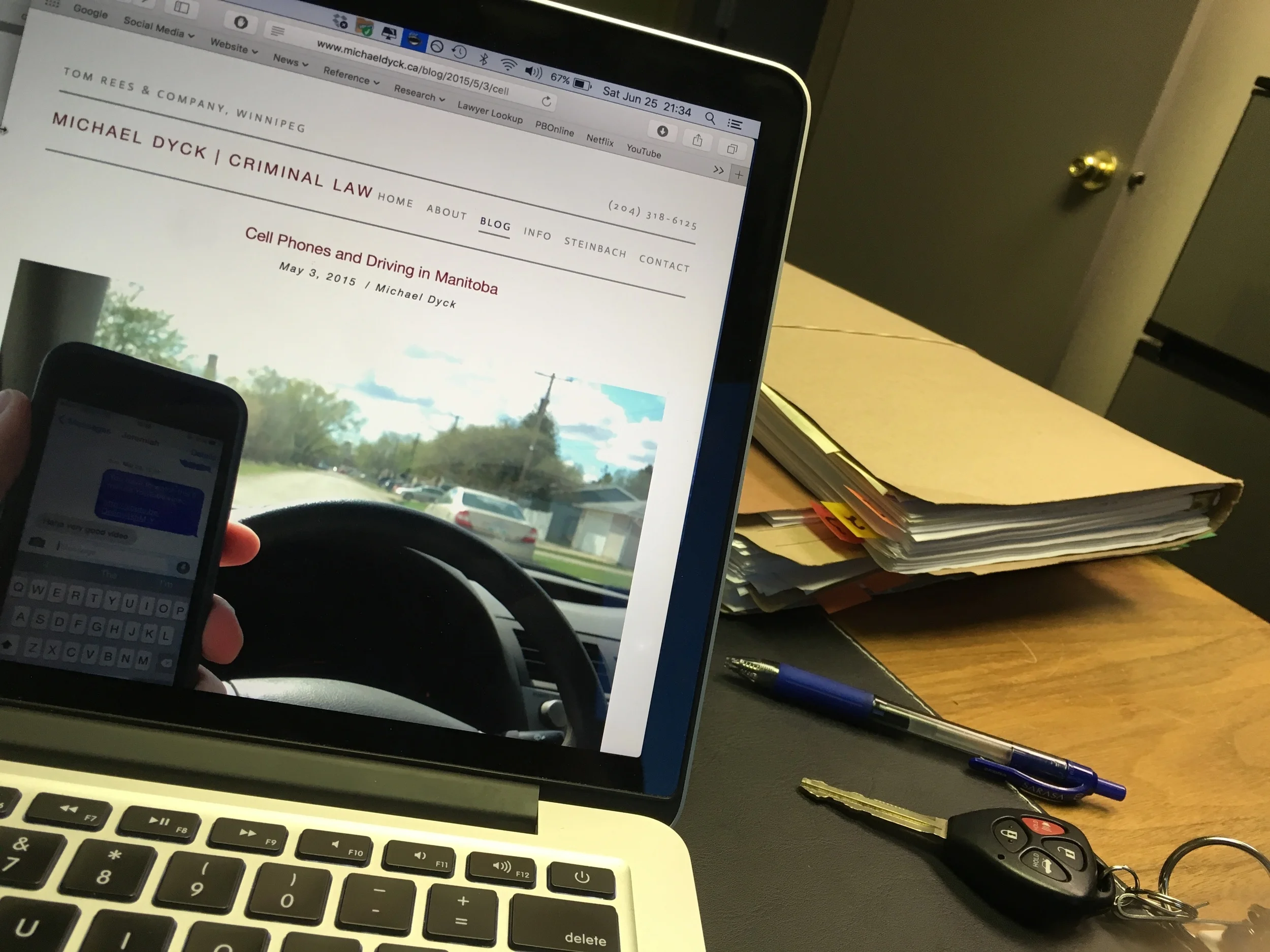
It has been just over a year since I wrote my last article about the law and penalties around using your cell phone while driving in Manitoba. I thought it was time to take a look back and provide some further information and updates (as the law is constantly changing).

Changes to the law since May 2015

For the most part, the law is pretty much the same as it was a year ago. The definition of a hand-held electronic device is the same, the definition of "use" is the same, and the fine amount is the same. Manitoba Justice's Brown Book is used to specify which category a Highway Traffic Act offence falls under, and what the fine amount is. Section 215.1(2) is listed as a Category D fine with a set amount of $203.80.

What has changed, and it is a significant change, is that you face losing 5 driver safety points instead of 2. You now face 5 demerits for this offence, which would take you 5 years to earn back. This change in the law came into place on July 1, 2015. Here's a news article about it from the CBC, Distracted drivers hit with more demerits in Manitoba July 1. Which means your licence can cost a lot more and you could lose the discount on your vehicle registration as well. The Government of Manitoba is really trying to crack down on distracted driving, but I think a lot of us still see people texting on their phones as they are stopped at a red light, or holding their phone and talking as they change lanes without signalling. Making punishments tougher doesn't always deter people.

Comments From Original Post

There were a lot of great comments and questions on the original post. I am just going to summarize them here for everyone:

  1. If you have a wallet phone case, can you open your wallet while driving? If you view the phone's screen (even if the screen is not turned on), that is considered using your device and it is illegal. Best advice, leave your phone out of arm's reach.
  2. Can I mount my phone on my dashboard and use it as a GPS? Yes, but there are a lot of precise rules about exactly how you can do this and how you can use your phone. I have a detailed explanation in my August 2018 update.
  3. Can I talk on my phone using headphones with a built in microphone? Yes, as long as you only have one ear bud in your ear (you can never operate a vehicle with both in your ear legally) and you do not use your hands to access the phone at all. 
  4. Can I use my phone to record the police after I am safely pulled over? This is tricky because the law says you cannot use your device while on a roadway. So even if you are pulled over on the side of the road and parked, you cannot legally use your phone at that point. If you are no longer on a roadway and the vehicle is in park and stationary, you can use your phone at that point. Also, if you exit your vehicle, then you would be allowed to use your phone. How you choose to use your phone is up to you.

Related articles

  • Cell Phones and Driving in Manitoba (August 2018 Update) (michaeldyck.ca)
  • Cell Phones and Driving in Manitoba (May 2015) (michaeldyck.ca)
  • How much does it cost if you get a DUI? (And why it is cheaper to hire a helicopter) (michaeldyck.ca)
  • Can You Have Alcohol in Your Car (michaeldyck.ca)
  • Preventing a Break and Enter in Your Home: Tips From a Criminal Defence Lawyer (michaeldyck.ca)

About the author

Michael Dyck is a partner at Rees & Dyck Criminal Defence. He represents clients primarily from Winnipeg, Steinbach, and rural Manitoba. He has extensive experience helping people charged with criminal offences and focuses on building legal strategy with clients. To read more of his articles, please visit his partner's website TomRees.ca.

Tags Hand-held electronic device, cell phone, criminal law, criminal defence, smart phone, Highway Traffic Act, Manitoba, 5 demerits, distracted driving
9 Comments

Supreme Court of Canada Series: R. v. Safarzadeh-Markhali (Pre-Sentence Custody Credit)

April 16, 2016 Michael Dyck
Michael Dyck criminal defence

On April 15, 2016, the Supreme Court of Canada released a decision on credit that judges can give when a person has spent time in custody before he/she has plead guilty in R. v. Safarzadeh-Markhali, 2016 SCC 14. Most people would agree that if you spend time in jail before you plead guilty, that the time spent could be used towards a sentence when you plead guilty. In most cases, sentencing judges do give credit for time already served or time in custody, commonly called "TIC" by defence lawyers. However, the Criminal Code does not requires judges to give credit for time served:

Section 719(1):  A sentence commences when it is imposed, except where a relevant enactment otherwise provides.

Where this issue becomes controversial is what amount of credit should a person get for the time in custody. A day for a day? Double credit? A day and a half for a day? A few years ago, it was fairly common for judges to give people double credit for the time spent in custody. That changed when the government enacted the Truth in Sentencing Act in 2009. The new law limited the amount of credit a judge could give a person for time served to a day for a day but enhanced credit of a day and a half for a day could be given "if the circumstances justify it."

The Truth in Sentencing Act has been challenged at the Supreme Court before. In 2014, it released its decision in R. v. Summers, 2014 SCC 26 which held that losing out on earned remission or parole was a circumstance that could justify enhanced credit. The logic is that once a sentence is imposed, prisoners are entitled to earned remission in provincial jail (early release for good behaviour) and parole in federal prisons (reintegration to the community).

For example, Aaron and Brock are both charged with theft under $5,000, both are detained in custody, and both want to plead guilty. Aaron pleads guilty at his first appearance in bail court and receives a sentence of 30 days custody. As long as he of good behaviour in custody, he would be released after he serves two thirds of his sentence, or 20 days. Brock's defence lawyer arranges the earliest sentencing date he can, but they can only book a time 30 days later. At that point, Brock is sentenced to 30 days of time served. On paper, both Aaron and Brock's sentences indicate 30 days of custody, but Aaron only spent 20 days in jail whereas Brock spent 30. Enhanced credit of a day and a half for a day is designed to level the playing field to take into account that while you are waiting to be sentenced in custody you are not eligible for earned remission or parole.

The Truth in Sentencing Act also prevented some individuals from EVER getting enhanced credit. If you were on a previous form of release for another charge or if a judge denied you bail primarily because of your criminal record, you were then disentitled to receive enhanced credit. Once again, this part of the act created unfairness. If you were charged with robbery and released on bail and then re-arrested for a second robbery, you were disentitled to enhanced credit, even if the second robbery charge was dropped because you were not actually involved at all.

Very recently, the Manitoba Court of Appeal heard two cases together from Manitoba about these two scenarios where a person could be denied enhanced credit in R. v. Kovich (GW), 2016 MBCA 19. You can check out the previous decisions in these cases as well: 

  • R. v. Kovich, 2013 MBPC 68
  • R. v. Kovich, 2014 MBPC 15
  • Her Majesty the Queen v. Courtney Nadine Bittern, 2014 MBPC 51

The court decided that this section of the Truth in Sentencing Act is unconstitutional and deleted those portions from the law at paragraph 162:

Viewed in that manner, I have concluded that the two exemptions constitute an unjustifiable infringement of section 7 of the Charter for two reasons.  First, the exemptions subject identically-placed offenders to different periods of imprisonment (depending on whether they are able to obtain bail) for reasons that are not relevant to the determination of a proportionate sentence, thereby interfering with the principle of proportionality in the sentencing process, which is a principle of fundamental justice.  Second, the exemptions go too far in that they overreach in their effect; they target those who commit crimes while out on bail or violent offenders but in reality, they capture offenders who are unable to get bail because of socio-economic reasons, not because of their conduct.

However, the Manitoba Court of Appeal only has jurisdiction over this province. The Supreme Court has jurisdiction over the entire country and it decided in R. v. Safarzadeh-Markhali that one of these exceptions was unconstitutional - individuals who are denied bail because of their record. This case is also important because it is just another example of how the Stephen Harper Conservative Government created laws that the Supreme Court later determined to be unconstitutional. The rest of the Canada will have to wait to see if either Parliament changes the law or if another case makes it to the Supreme Court of Canada that deals with the second reason to deny enhanced credit though.

Related articles

  • Supreme Court of Canada Series: R. v. St-Cloud (Tertiary Ground for Bail) (MichaelDyck.ca)
  • Supreme Court of Canada Series: R. v. Nur (Mandatory Minimums for Firearms) (Michael Dyck.ca)

About the author

Michael Dyck is a partner at Rees & Dyck Criminal Defence. He represents clients primarily from Winnipeg, Steinbach, and rural Manitoba. He has extensive experience helping people charged with criminal offences and focuses on building legal strategy with clients. To read more of his articles, please visit his partner's website TomRees.ca.
Tags Supreme Court of Canada, R. v. Safarzadeh-Markhali, time served, R. v. Summers, Truth in Sentencing Act, criminal law, criminal defence, R. v. Kovich, R. v. Bittern, Manitoba Court of Appeal, MBCA, SCC, pre-sentence custody
2 Comments

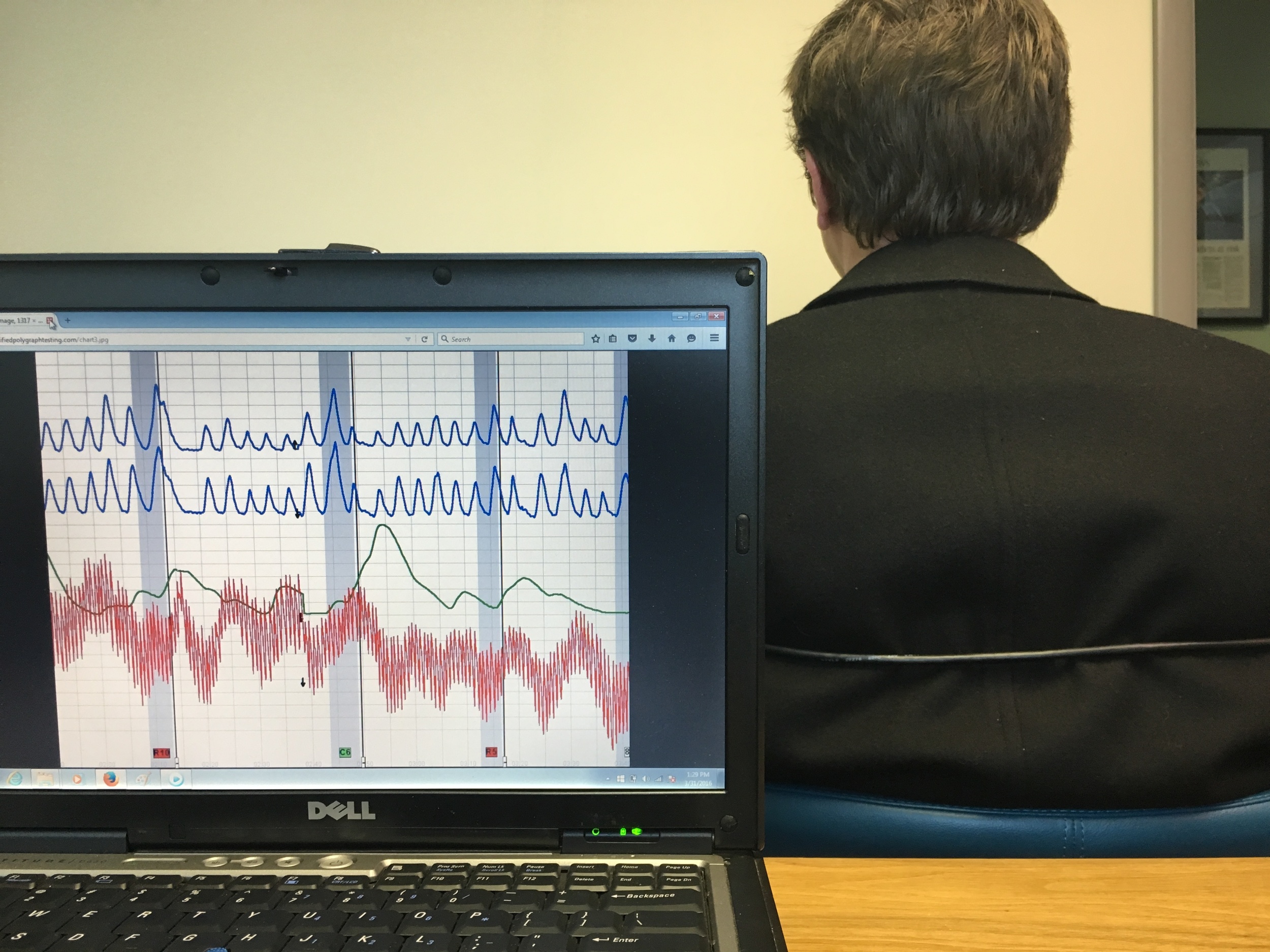
Winnipeg Police - Lie Detector Test

March 31, 2016 Michael Dyck
Michael Dyck criminal defence polygraph

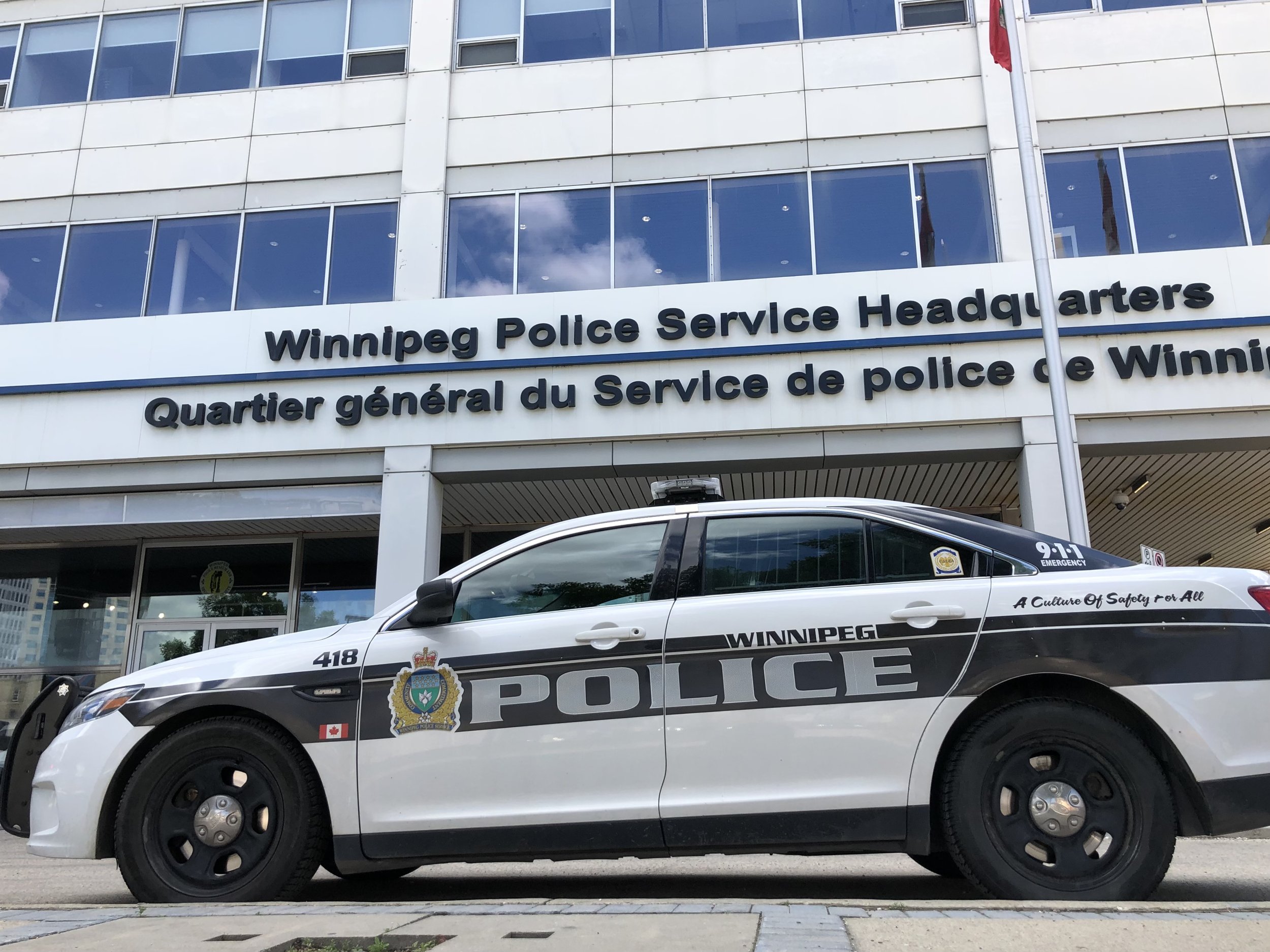
Over the last couple of years, many people have contacted me with a similar situation: members of the Winnipeg Police Service want to talk to them. Most of the time, people are nervous when the police contact them directly. What do they want to talk to me about? Am I in trouble? Will I be arrested? They want me to do a polygraph test, should I? These are all fantastic questions and the advice I have for you is very simple. If the police want to speak to you, you should speak to a lawyer first. 

The most important thing to remember is the role of police officers in Canada - to investigate criminal offences and then arrest and charge people. Just as the police have a right to investigate crimes by interviewing potential victims, witnesses, and suspects, you have the right to remain silent and not answer any question for any reason. The right to remain silent is included as protection under the Canadian Charter of Rights and Freedoms. It is not specifically spelled out in the Charter, but it is part of section 7 and 11(c):

7  Everyone has the right to life, liberty and security of the person and the right not to be deprived thereof except in accordance with the principles of fundamental justice.

11(c)  Any person charged with an offence has the right not to be compelled to be a witness in proceedings against that person in respect of the offence

If you are a gladiator and about to go into battle and someone offers you a shield, would you take it? Of course you would. The right to remain silent is no different. The government has given you a shield to protect yourself from the overwhelming power and resources of the police. The right to remain silent is designed to protect you, so why would you choose not to use it?

There are three situations where I believe people can speak to the police:

  1. You are the victim of a crime. If you do not contact the police or report what happened, nothing will be done to arrest the offender. However, many people find themselves in situations where they may be both a victim and a perpetrator. For example, a fight where you defend yourself from an attack. But self-defence is a complex area of the law and what you may think is alright and acceptable may actually be excessive and illegal. It would be best to speak with a lawyer about your situation first before speaking with police.

  2. You are the witness of a crime. If you happen to see a crime unfold, by all means, you can talk to the police and describe what you saw. Eyewitnesses are a fundamental part of the justice system. However, if you help, encourage, or assist someone in committing a crime, then you are guilty of the same crime. For example, if you are watching out for the police while someone robs a store or you encourage your friend to punch the guy at a bar. You should only speak with the police if you were not involved with the crime in any way but just happened to see what happened.

  3. You are a potential suspect of a crime BUT you have an alibi. In very very rare cases, I have clients who are accused of committing a crime at a specific time but they can verify (usually through an employer) that it was impossible for them to have committed the crime because they were somewhere else. Most of the time, potential alibi witnesses are friends or family members who may have a motive to lie to help out the client. Making up a lie as an alibi will not work and you will be found out. Even if you have an alibi, you can discuss it in detail with your lawyer before providing details to the police but you should do this as quickly as possible.

  4. You are a potential suspect of a crime. Do not talk to the police. Do not answer any questions for any reason. Use your shield - your right to remain silent.

What if I didn't do it? Can't I just explain it to the police and the whole thing will be over?

It seems easy enough, just explain yourself and the police will understand. However, in my experience, the police are more than happy to believe that you are being truthful and honest if you confess to the crime or admit to your involvement. If you deny it, they tend to assume you are lying to them. Remember, if the police think you are a suspect, in their own mind, they think that you committed the offence. Or least you may have committed the offence. I find that sometimes police officers get into tunnel vision where they discount, disregard, or ignore information that points away from their theory (that you're guilty) and they give more weight to information that points towards their theory. You will have a chance to explain yourself and tell your side of the story. You do that with your lawyer, who will actually listen to you, or in court at a trial with a Judge, a person who is neutral in the justice system.

What if the police want me to do a polygraph test or a lie detector test?

The results of a lie detector test (whether you answered truthfully or not) are NOT admissible in criminal courts. The Supreme Court of Canada determined that in R. v. Béland, [1987] 2 S.C.R. 398 when it concluded at paragraph 18:

In conclusion, it is my opinion, based upon a consideration of rules of evidence long established and applied in our courts, that the polygraph has no place in the judicial process where it is employed as a tool to determine or to test the credibility of witnesses. 

However, anything you say to the police while answering the questions CAN be admissible in court as a statement. So the police could not testify about whether or not the polygraph results said you were truthful or lying but they could testify about what you said to them. Once again, I have to go back to the right to remain silent and how it is a significant protection that is available for you to use throughout your dealings with the police. You should exercise your right to remain silent with the police and they can exercise their right to question and interview you.

Latest Blog Posts
USA CAN Flags.jpeg
Nov 26, 2025
Denied Entry to the USA - Even Without a Criminal Record
Nov 26, 2025
Nov 26, 2025
Bail Money Scam Alert
Jun 3, 2025
Bail Money Scam Alert
Jun 3, 2025
Jun 3, 2025
Police Drop Charges.jpg
Jun 28, 2022
Can you ask police to drop charges?
Jun 28, 2022
Jun 28, 2022
Charter Rights in Canada.jpg
Jun 28, 2022
Does Canada have a version of Miranda rights?
Jun 28, 2022
Jun 28, 2022
Michael Dyck domestic violence.jpeg
May 16, 2022
What is all included in domestic violence?
May 16, 2022
May 16, 2022
What should you NOT do during a traffic stop?
Dec 1, 2020
What should you NOT do during a traffic stop?
Dec 1, 2020
Dec 1, 2020
Manitoba Court Closures (Coronavirus / COVID 19 Response) - Fall 2020
Nov 16, 2020
Manitoba Court Closures (Coronavirus / COVID 19 Response) - Fall 2020
Nov 16, 2020
Nov 16, 2020
Finding the Best Criminal Lawyer - Is Your Lawyer Legit or Full of It?
Jul 28, 2020
Finding the Best Criminal Lawyer - Is Your Lawyer Legit or Full of It?
Jul 28, 2020
Jul 28, 2020
Why Would I Need an Affidavit?
Apr 17, 2020
Why Would I Need an Affidavit?
Apr 17, 2020
Apr 17, 2020
Where can I find a notary public?
Mar 31, 2020
Where can I find a notary public?
Mar 31, 2020
Mar 31, 2020
Manitoba Court Closures (Coronavirus / COVID 19 Response)
Mar 17, 2020
Manitoba Court Closures (Coronavirus / COVID 19 Response)
Mar 17, 2020
Mar 17, 2020
Rees Dyck Rogala Law Offices
Dec 31, 2019
Rees Dyck Rogala Law Offices
Dec 31, 2019
Dec 31, 2019
Can you have pot in your car?
Mar 27, 2019
Can you have pot in your car?
Mar 27, 2019
Mar 27, 2019
Big DUI Change That Will Impact All Canadians
Dec 18, 2018
Big DUI Change That Will Impact All Canadians
Dec 18, 2018
Dec 18, 2018
MAJOR UPDATE: Cell Phones and Driving in Manitoba (August 2018)
Aug 26, 2018
MAJOR UPDATE: Cell Phones and Driving in Manitoba (August 2018)
Aug 26, 2018
Aug 26, 2018
Michael Dyck drive impaired marijuana pot
Jun 22, 2018
TV Appearance: CTV Winnipeg Marijuana Impaired Driving
Jun 22, 2018
Jun 22, 2018
Michael Dyck First DUI Cost Manitoba
Jun 19, 2018
How much does your first DUI cost in Manitoba - Infographic
Jun 19, 2018
Jun 19, 2018
How much does it cost if you get a DUI? (And why it is cheaper to hire a helicopter)
Jun 19, 2018
How much does it cost if you get a DUI? (And why it is cheaper to hire a helicopter)
Jun 19, 2018
Jun 19, 2018
Can you have alcohol in your car?
Apr 2, 2018
Can you have alcohol in your car?
Apr 2, 2018
Apr 2, 2018
Michael Dyck news
Jan 30, 2018
Mix 96 Steinbach Guest Spot: Drinking and Driving Costs
Jan 30, 2018
Jan 30, 2018
Preventing a Break and Enter in Your Home: Tips From a Criminal Defence Lawyer
Jul 24, 2017
Preventing a Break and Enter in Your Home: Tips From a Criminal Defence Lawyer
Jul 24, 2017
Jul 24, 2017
Fort Richmond Collegiate: May 19, 2017 Presentation
May 19, 2017
Fort Richmond Collegiate: May 19, 2017 Presentation
May 19, 2017
May 19, 2017
Supreme Court of Canada Series: R. v. Oland (Bail Pending Appeal)
Mar 24, 2017
Supreme Court of Canada Series: R. v. Oland (Bail Pending Appeal)
Mar 24, 2017
Mar 24, 2017
Supreme Court of Canada Series: R. v. Bingley (DRE Experts)
Feb 24, 2017
Supreme Court of Canada Series: R. v. Bingley (DRE Experts)
Feb 24, 2017
Feb 24, 2017
Steinbach Regional Secondary School: November 16, 2016
Nov 16, 2016
Steinbach Regional Secondary School: November 16, 2016
Nov 16, 2016
Nov 16, 2016
Supreme Court of Canada Series: R. v. Anthony-Cook (Joint Recommendations)
Oct 24, 2016
Supreme Court of Canada Series: R. v. Anthony-Cook (Joint Recommendations)
Oct 24, 2016
Oct 24, 2016
Maclean's Article Tackles Impaired Driving by Drug Issue
Oct 7, 2016
Maclean's Article Tackles Impaired Driving by Drug Issue
Oct 7, 2016
Oct 7, 2016
Supreme Court of Canada Series: R. v. Jordan (Unreasonable Delay)
Jul 8, 2016
Supreme Court of Canada Series: R. v. Jordan (Unreasonable Delay)
Jul 8, 2016
Jul 8, 2016
Cell Phones and Driving in Manitoba (June 2016 Update)
Jun 25, 2016
Cell Phones and Driving in Manitoba (June 2016 Update)
Jun 25, 2016
Jun 25, 2016
Supreme Court of Canada Series: R. v. Safarzadeh-Markhali (Pre-Sentence Custody Credit)
Apr 16, 2016
Supreme Court of Canada Series: R. v. Safarzadeh-Markhali (Pre-Sentence Custody Credit)
Apr 16, 2016
Apr 16, 2016

Related articles

  • Testifying in Your Own Defence (MichaelDyck.ca)

  • Are you guilty? (MichaelDyck.ca)

  • Interrogation By Police (TomRees.ca)

  • Should I Make a Statement to the Police (TomRees.ca)

About the author

Michael Dyck is a partner at Rees & Dyck Criminal Defence. He represents clients primarily from Winnipeg, Steinbach, and rural Manitoba. He has extensive experience helping people charged with criminal offences and focuses on building legal strategy with clients. To read more of his articles, please visit his partner's website TomRees.ca.

Tags Winnipeg Police Service, Winnipeg, criminal law, criminal defence, Charter of Rights and Freedoms, remain silent, polygraph, lie detector, Supreme Court of Canada, R. v. Beland
1 Comment
← Newer Posts Older Posts →

© Michael Dyck, 2012-2025.  All rights reserved.